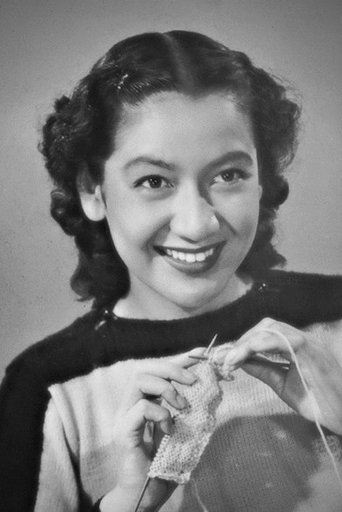
原節子
Acting1920-06-17Yokohama, Kanagawa, Japan
From Wikipedia, the free encyclopedia. Setsuko Hara (June 17, 1920 – September 5, 2015) was a Japanese actress who appeared in six of Yasujirō Ozu's films, most notably as Noriko in the "Noriko Trilogy": Late Spring (1949), Early Summer (1951), and Tokyo Story (1953). Her other films for Ozu were Tokyo Twilight (1957), Late Autumn (1960), and finally The End of Summer in 1961. She was born Masae Aida in Yokohama, Kanagawa prefecture. She came to prominence as an actress at an early age, in the 1937 German-Japanese co-production Die Tochter des Samurai (Daughter of the Samurai), known in Japan as Atarashiki Tsuchi (The New Earth), directed by Arnold Fanck and Mansaku Itami. She also starred in films by Akira Kurosawa, Mikio Naruse, and other prominent directors. She was called "the Eternal Virgin" in Japan and is a symbol of the golden era of Japanese cinema of the 1950s. She suddenly quit acting in 1963 (the same year as Ozu's death), and led a secluded life in Kamakura, refusing all interviews and photographs. Her last major role was Riku, wife of Ōishi Yoshio, in the 1962 film Chushingura. She was the inspiration for the protagonist of the 2001 movie Millennium Actress. Description above from the Wikipedia article Setsuko Hara, licensed under CC-BY-SA, full list of contributors on Wikipedia.
出演作品(74)
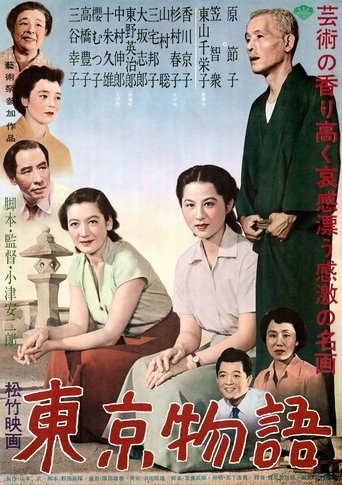
東京物語
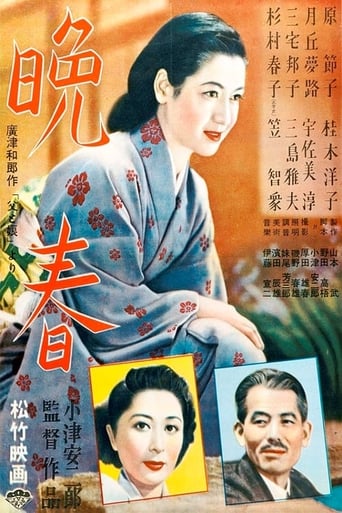
晩春
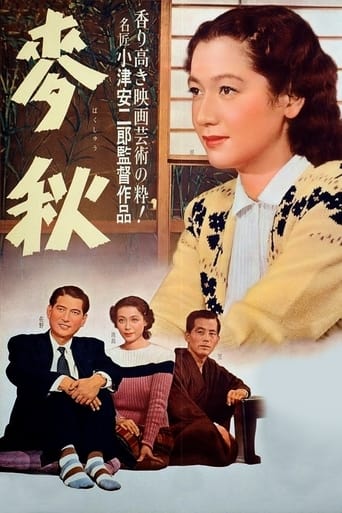
麦秋
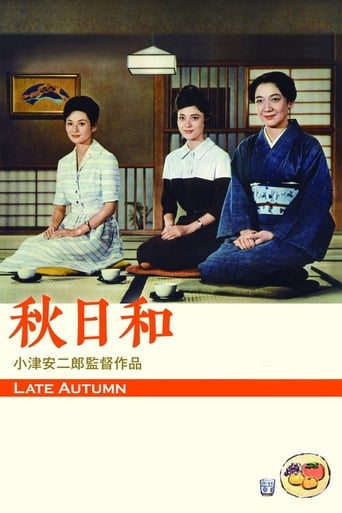
秋日和
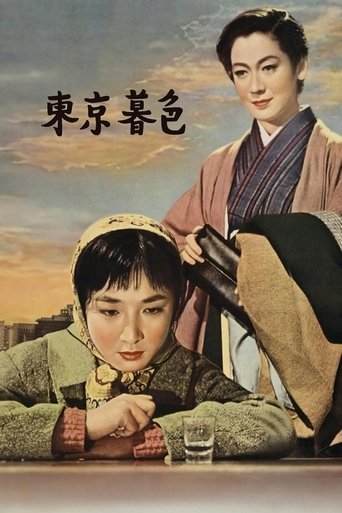
東京暮色
東京の恋人
めし
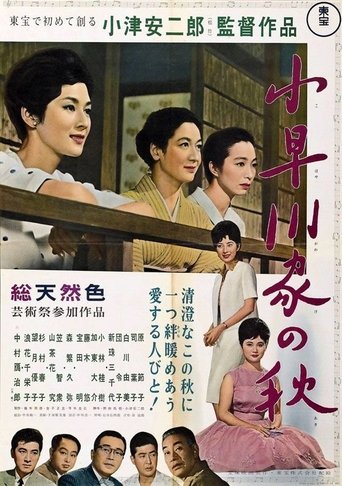
小早川家の秋

山の音
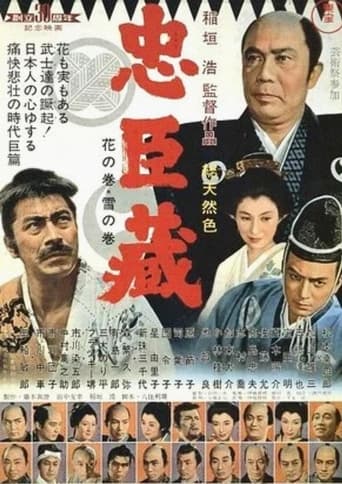
忠臣蔵 花の巻・雪の巻
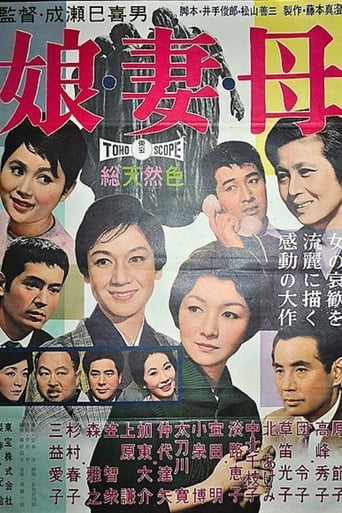
娘・妻・母
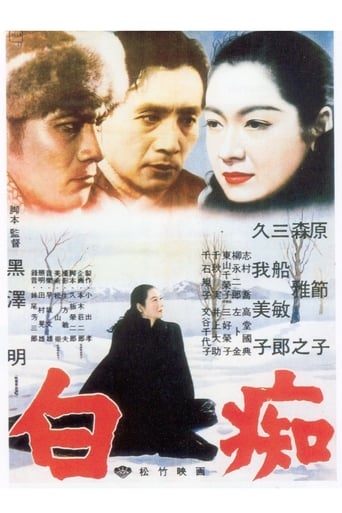
白痴
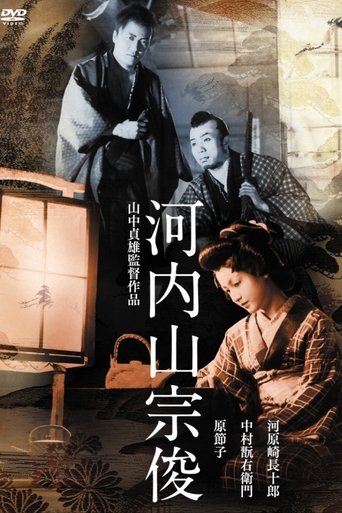
河内山宗俊

わが青春に悔なし
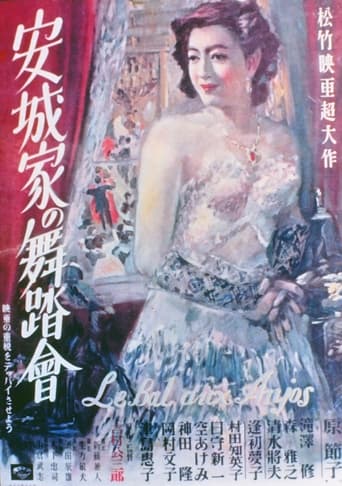
安城家の舞踏会
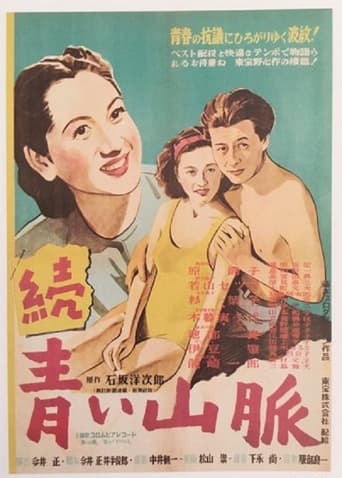
續 青い山脈
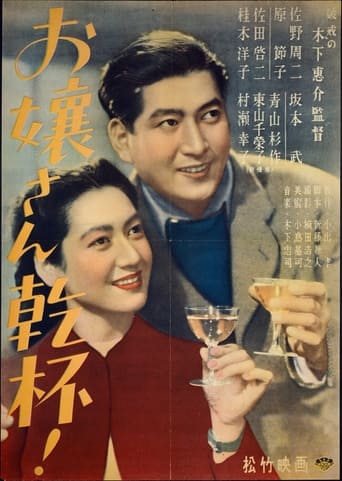
お嬢さん乾杯
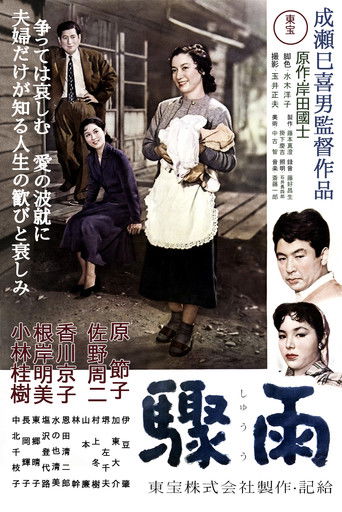
驟雨
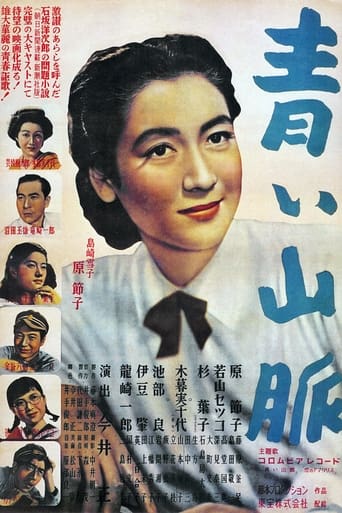
青い山脈
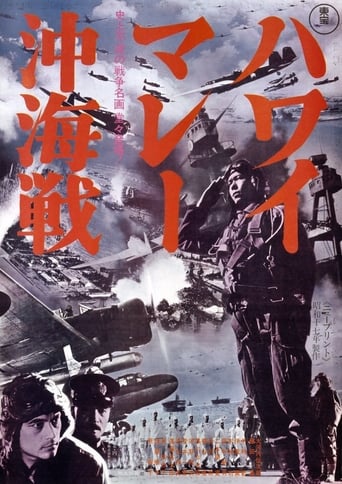
ハワイ・マレー沖海戦
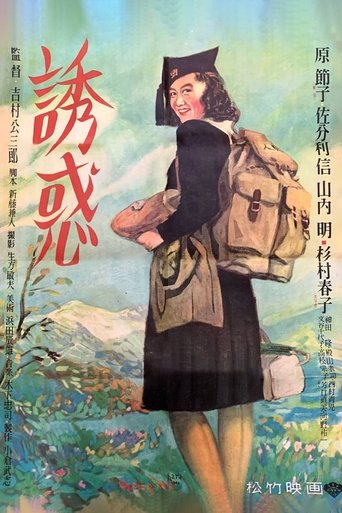
誘惑
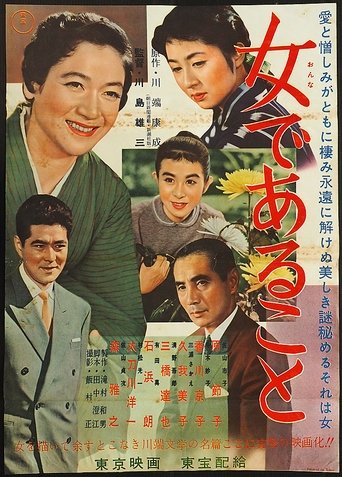
女であること
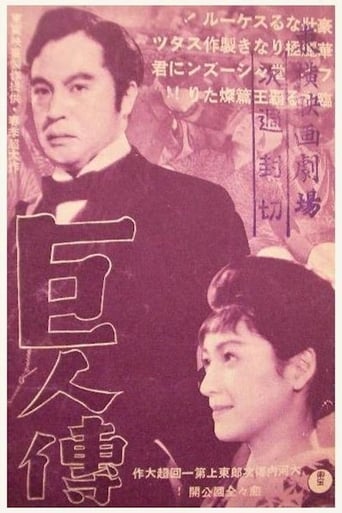
巨人伝
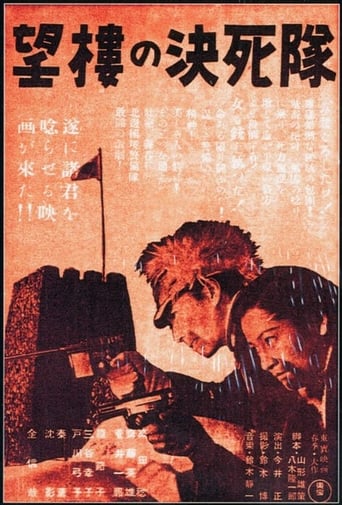
望楼の決死隊
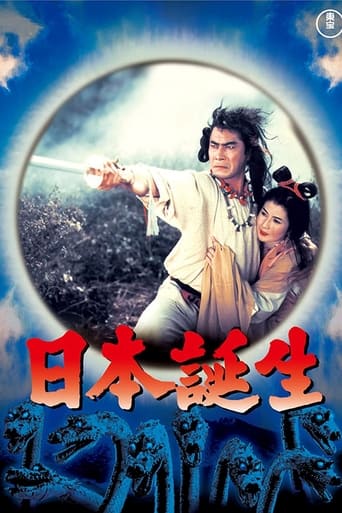
日本誕生
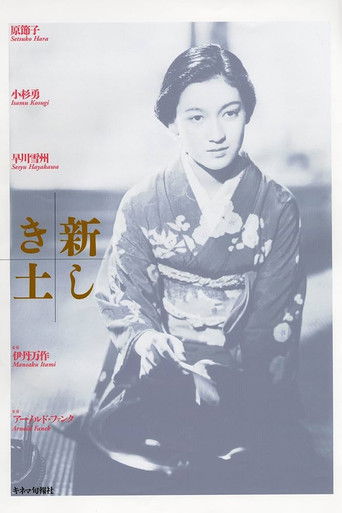
新しき土
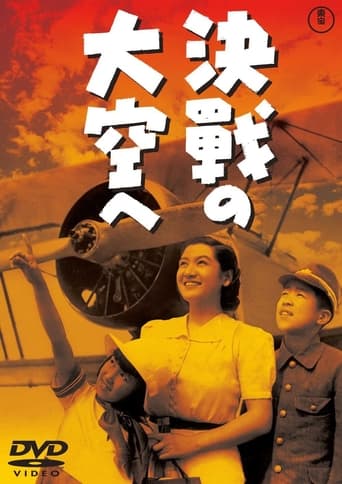
決戰の大空へ
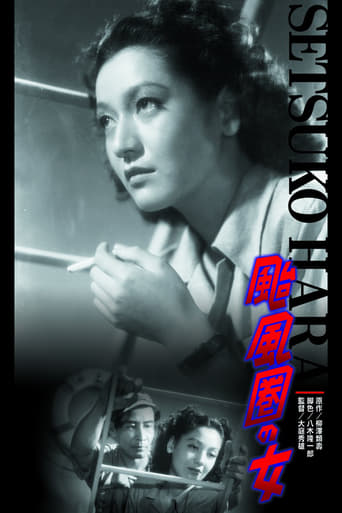
颱風圏の女
上海陸戦隊
七色の花
女囚と共に
熱風
金の卵
Sem Título # 7: Rara
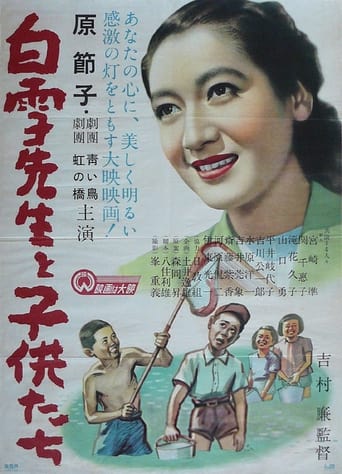
白雪先生と子供たち
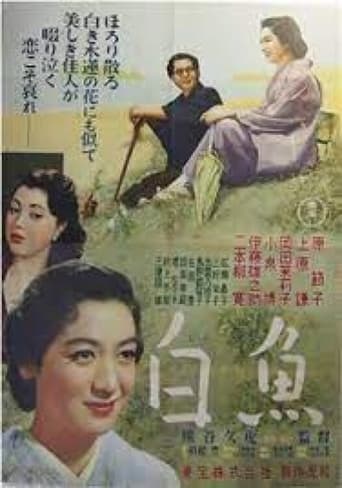
白魚
かけ出し時代
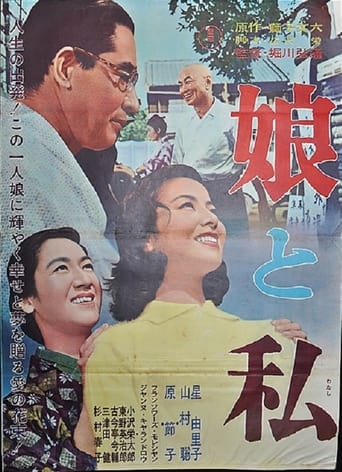
娘と私
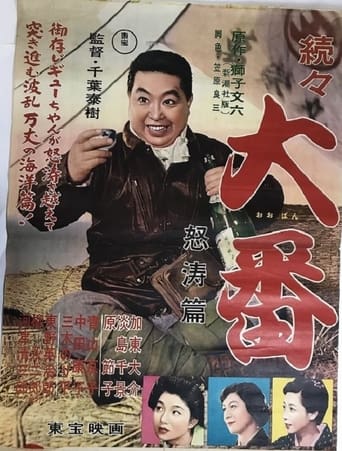
続々大番 怒濤篇
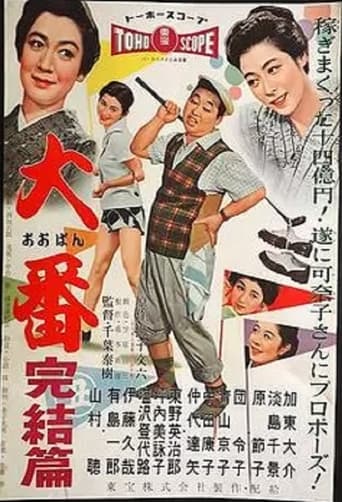
大番 完結篇
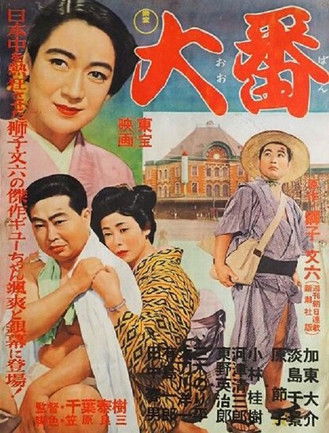
大番
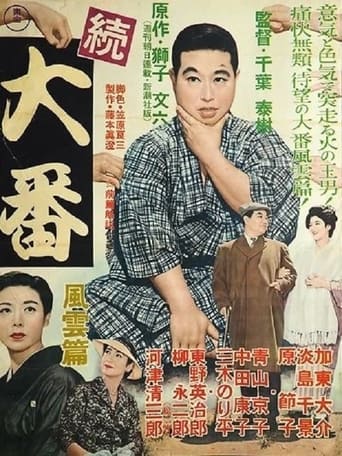
続大番・風雲篇
生命の冠
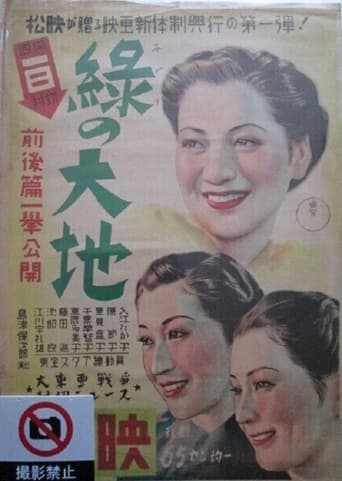
緑の大地
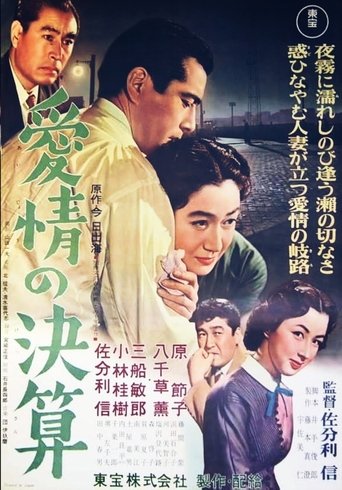
愛情の決算
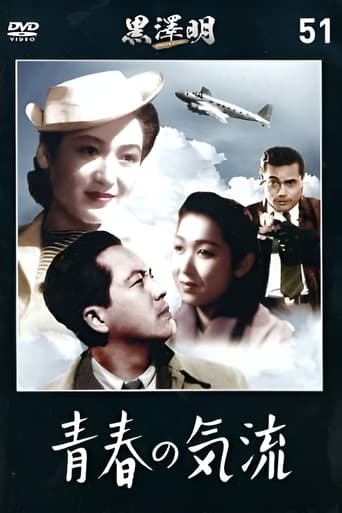
青春の気流
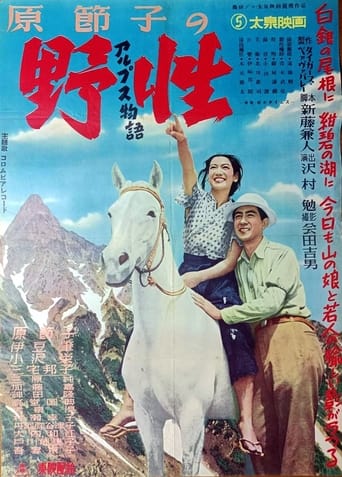
アルプス物語 野性
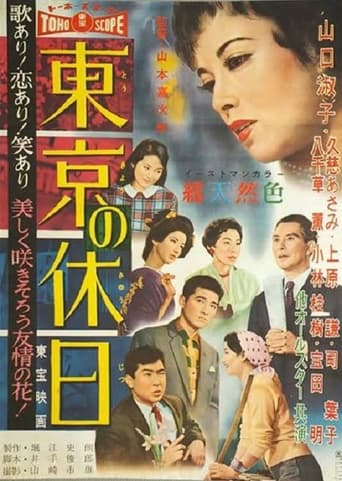
東京の休日
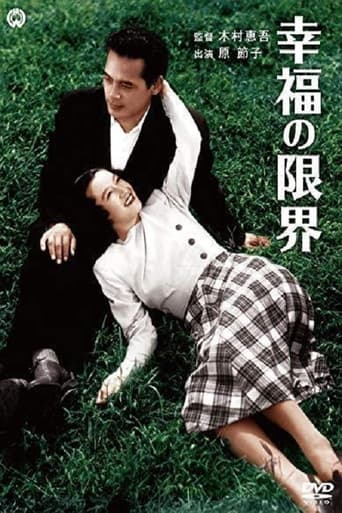
幸福の限界
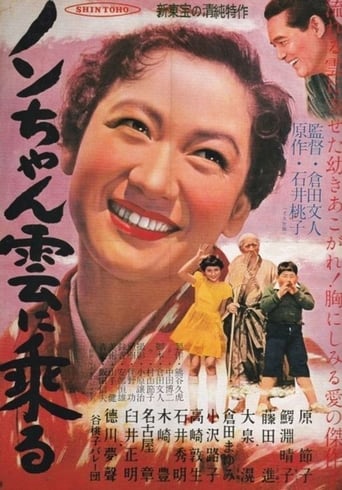
ノンちゃん雲に乗る
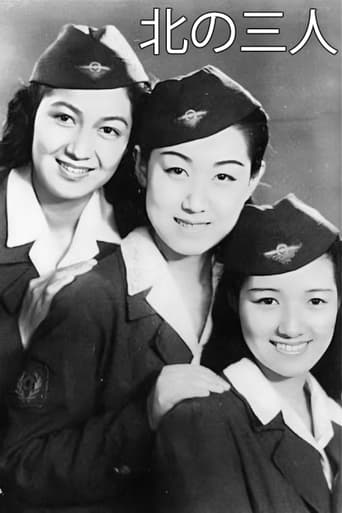
北の三人
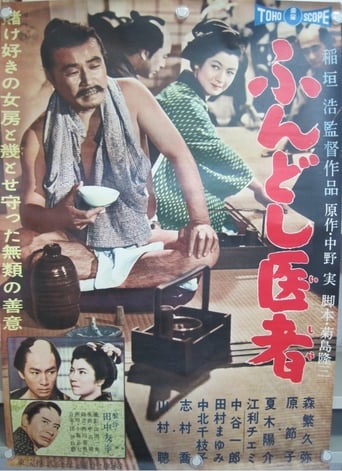
ふんどし医者
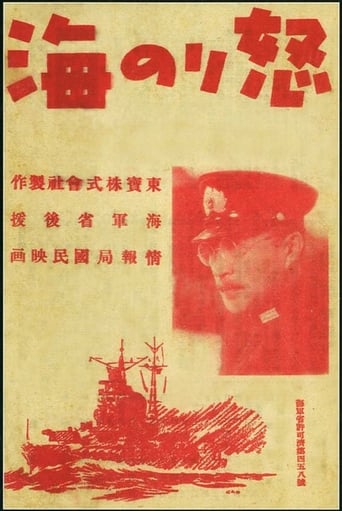
怒りの海
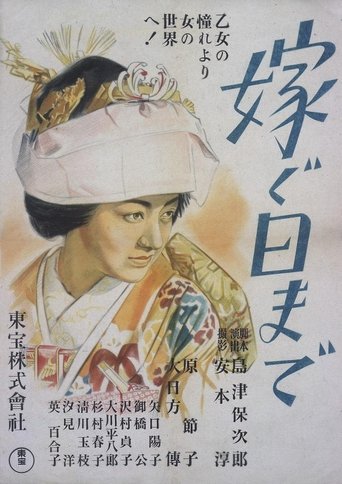
嫁ぐ日まで
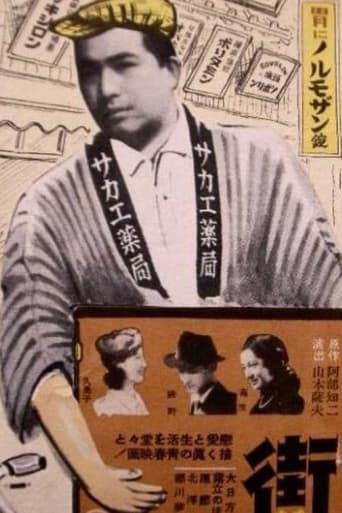
街
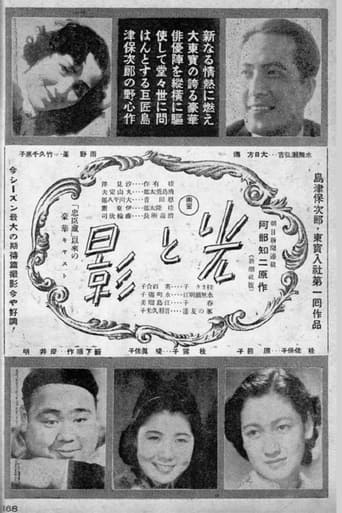
光と影 前篇
光と影 後篇
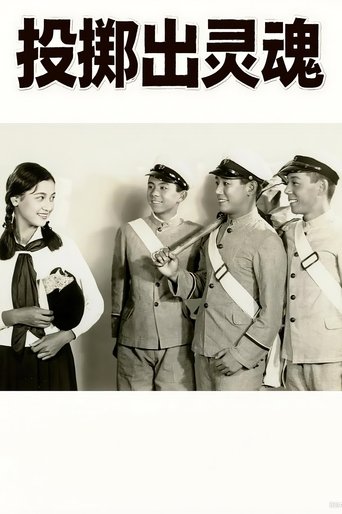
魂を投げろ
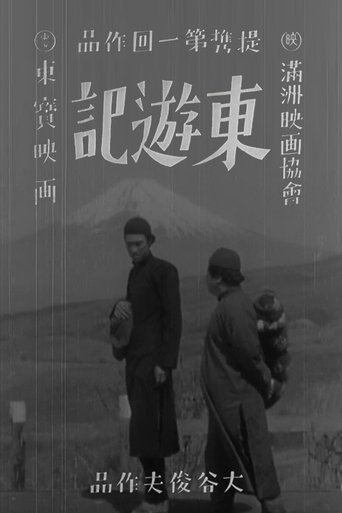
東遊記
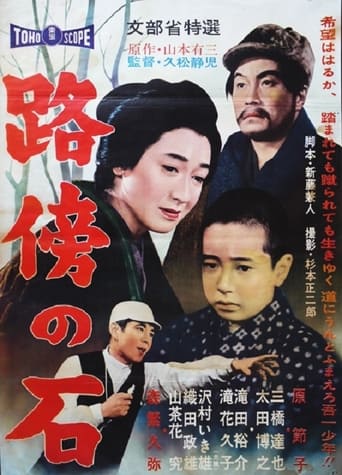
路傍の石
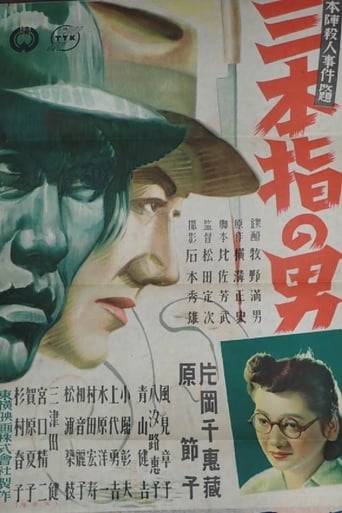
三本指の男
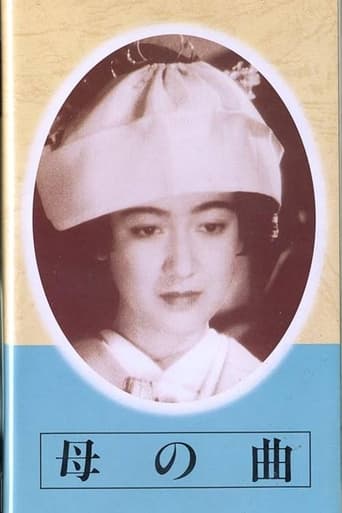
母の曲
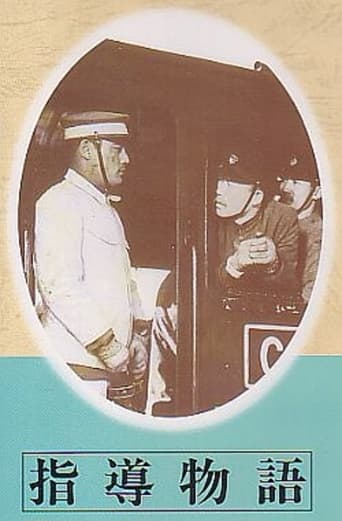
指導物語
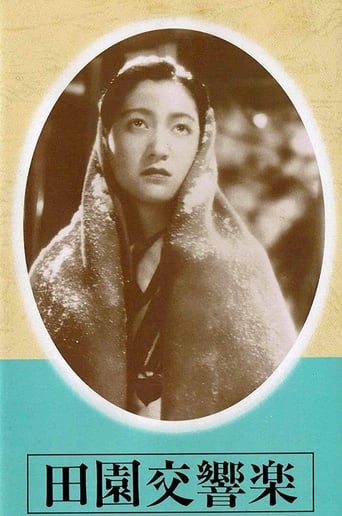
田園交響楽
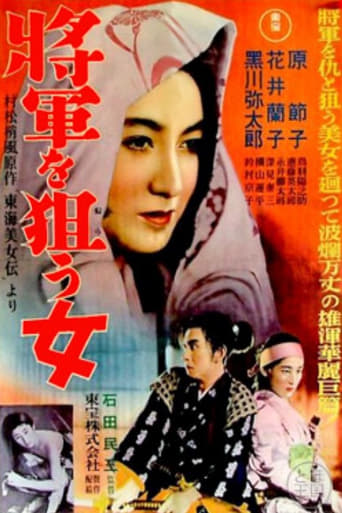
将軍を狙う女 東海美女傳より
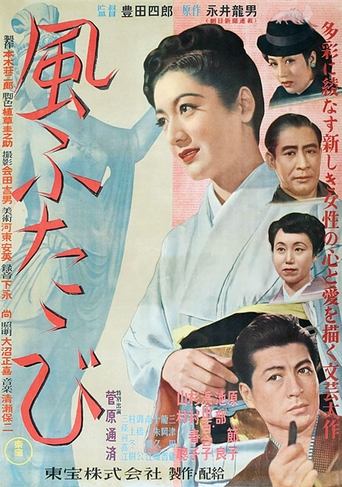
風ふたゝび
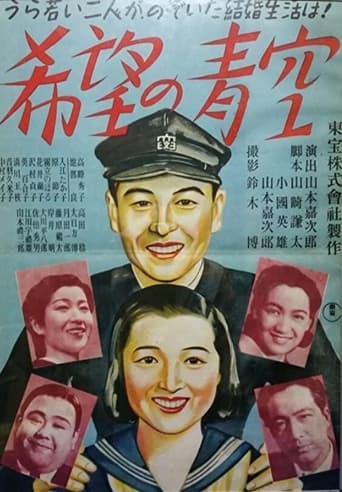
希望の青空
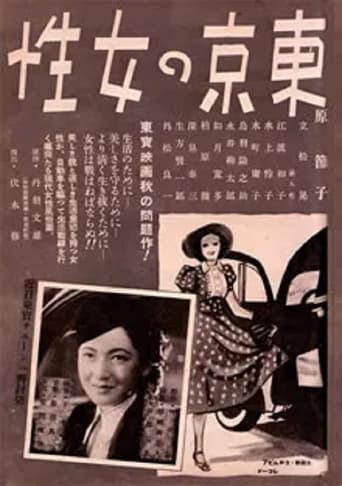
東京の女性
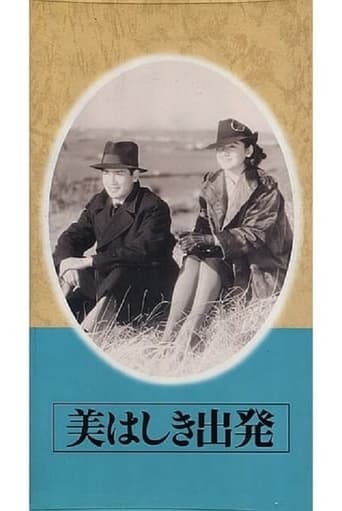
美はしき出発

女医の診察室
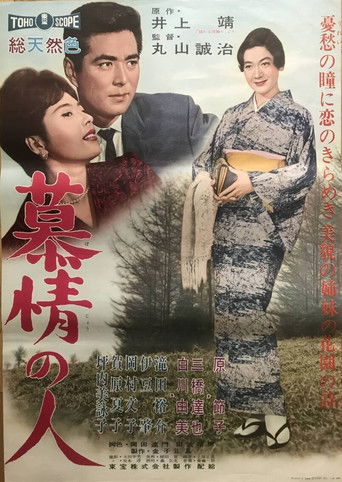
慕情の人
姉妹の約束
婚約三羽烏
富士山頂