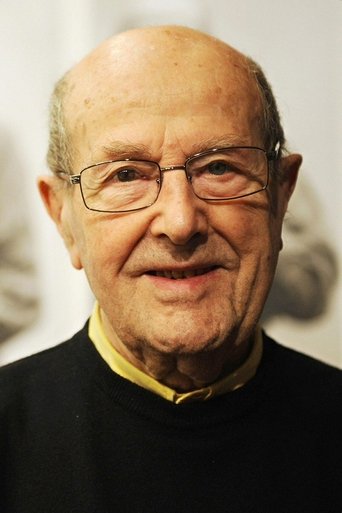
Manoel de Oliveira
監督1908-12-11Porto, Portugal
Manoel de Oliveira was born in Porto, Portugal on December 11, 1908, to Francisco José de Oliveira and Cândida Ferreira Pinto. His family were wealthy industrialists. Oliveira attended school in Galicia, Spain and his goal as a teenager was to become an actor. He enrolled in Italian film-maker Rino Lupo's acting school at age 20, but later changed his mind when he saw Walther Ruttmann's documentary Berlin: Symphony of a City. This prompted him to direct his first film, also a documentary, titledDouro, Faina Fluvial (1931). He also acted in the second Portuguese sound film, A Canção de Lisboa (1933). His first feature film came much later, in 1942. Aniki-Bóbó, a portrait of Oporto's street children, was a commercial failure when it opened, and its merit only came to be recognised over time. This drawback forced Oliveira to abandon other film projects he was involved in, and to dedicate himself to running his family vineyard. He re-emerged onto the film scene in 1956 with The Artist and the City, a work that marked a turning point in Oliveira's conception of the cinema. In 1963, O Acto de Primavera (The Rite of Spring), a documentary depicting an annual passion play, marked a turning point for his career. This was shortly followed by A caça (The Hunt), a grim feature film that contrasted with the happy tones of his previous documentary. Despite the widespread acclaim garnered by both films, he would not return to the director's seat until the 1970s. Since 1990 (when he turned 82), he has made at least one film each year. Oliveira has said that he direct movies for the sheer pleasure of doing it, regardless of critical reaction. He maintains a quiet life away from the spotlights, despite multiple honours such as those of the Cannes, Venice and Montreal film festivals. He has been awarded two Career Golden Lions in 1985 and 2004 and a golden palm for his lifetime achievements in 2008.
監督作品(60)
1 Século de Energia
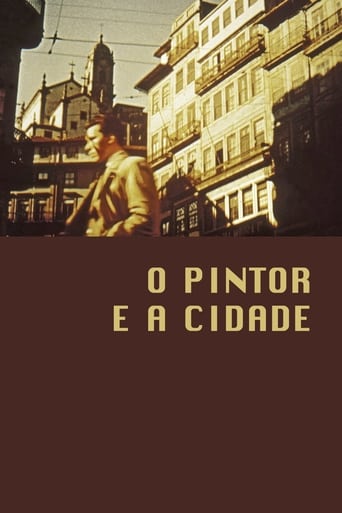
O Pintor e a Cidade
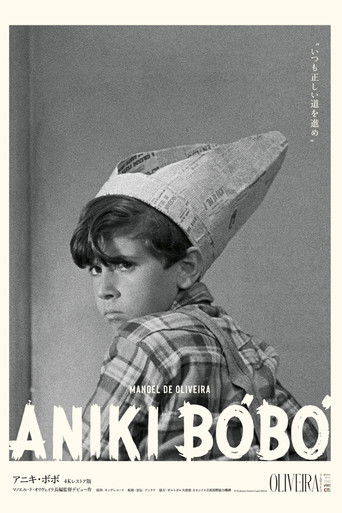
アニキ・ボボ
Visita ou Memórias e Confissões
Famalicão
Vale Abraão
繻子の靴
Benilde ou a Virgem Mãe
Amor de Perdição
A Caça
過去と現在 昔の恋、今の恋
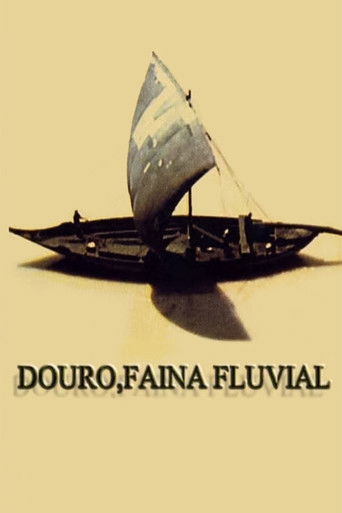
Douro, Faina Fluvial
フランシスカ

Os Canibais
A Caixa
Mon Cas
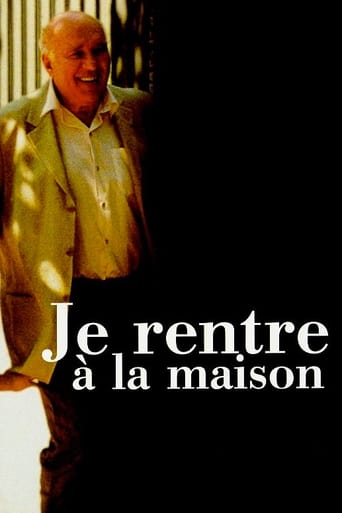
家路
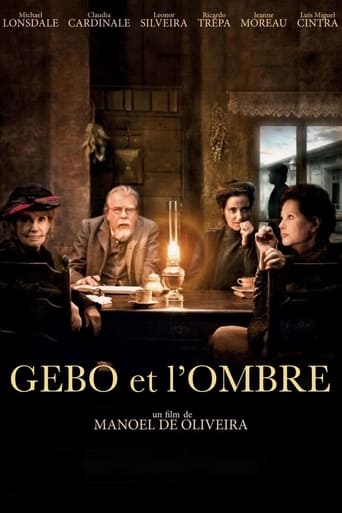
家族の灯り
永遠の語らい
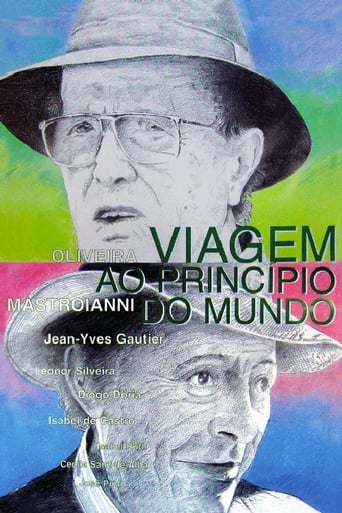
世界の始まりへの旅
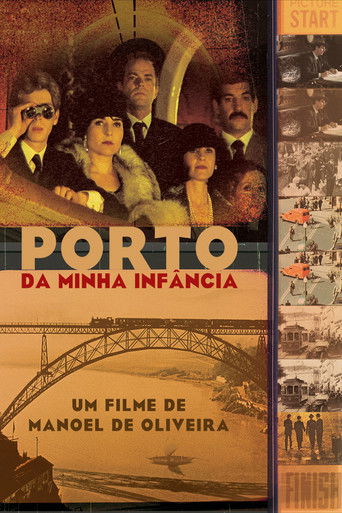
Porto da Minha Infância
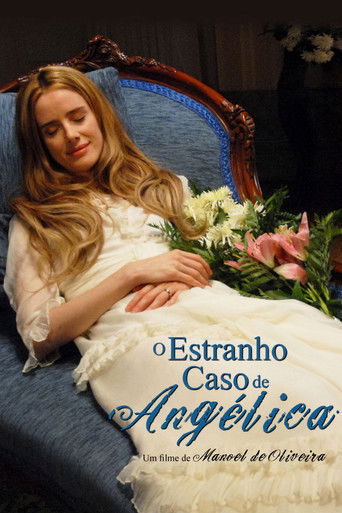
O Estranho Caso de Angélica

O Quinto Império - Ontem Como Hoje
神曲
それぞれのシネマ
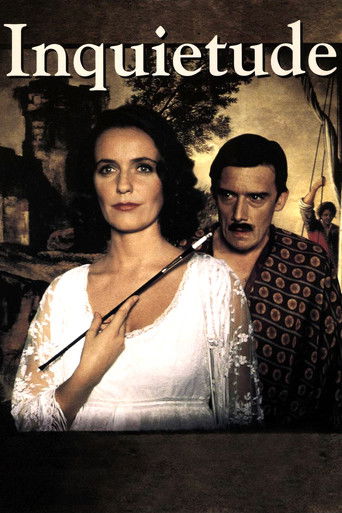
Inquietude
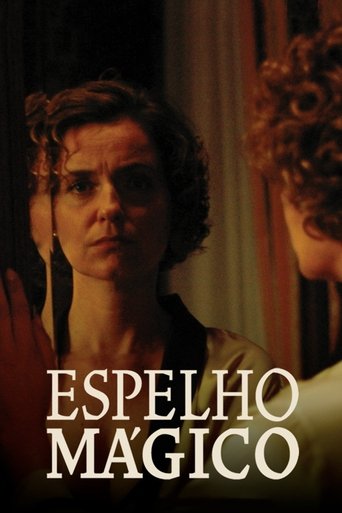
Espelho Mágico
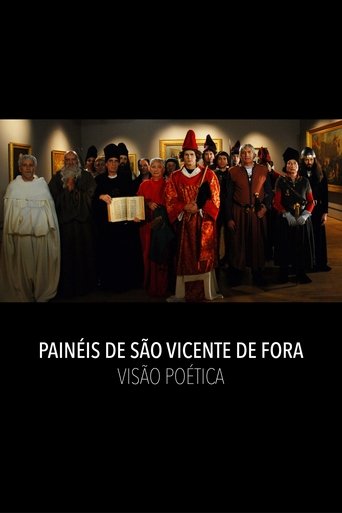
Painéis de São Vicente de Fora: Visão Poética
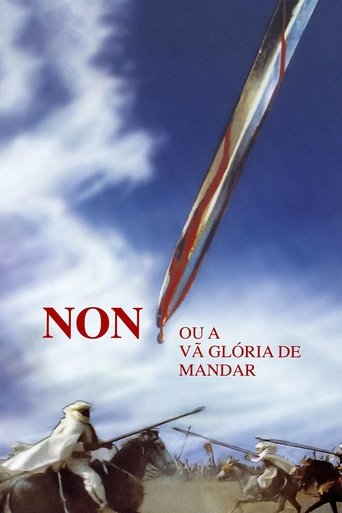
ノン、あるいは支配の空しい栄光
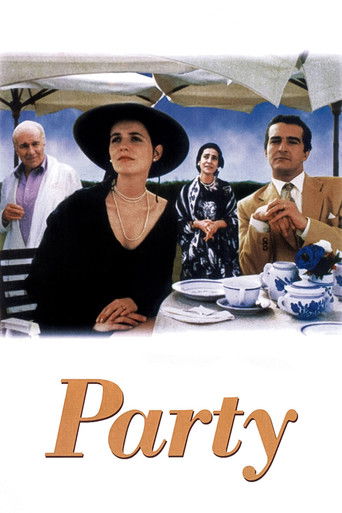
Party
Amor de Perdição
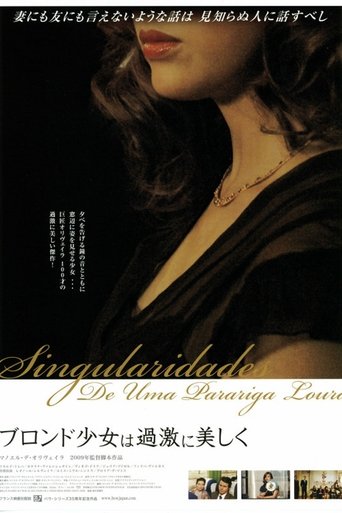
ブロンド少女は過激に美しく
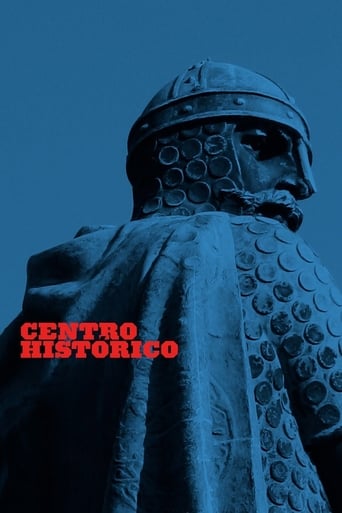
Centro Histórico

O Pão
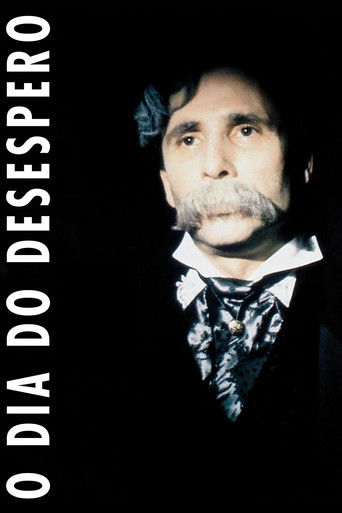
O Dia do Desespero

O Improvável Não é Impossível
Hulha Branca
Portugal Já Faz Automóveis
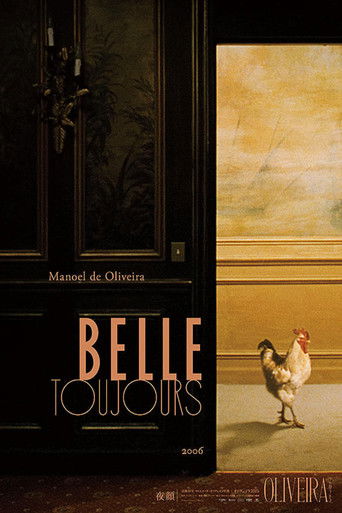
夜顔
La Lettre
As Pinturas do Meu Irmão Júlio

Mundo Invisível

Cristóvão Colombo - O Enigma
Palavra e Utopia
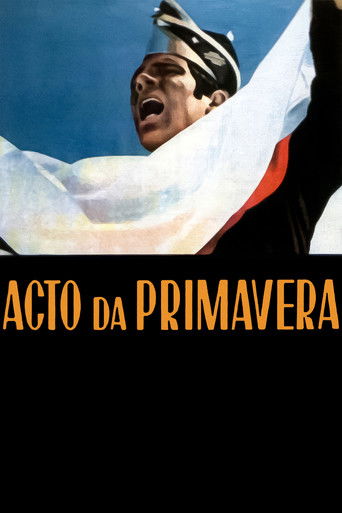
春の劇
O Princípio da Incerteza
メフィストの誘い
Nice - À propos de Jean Vigo
O Velho do Restelo
Romance de Vila do Conde
En une poignée de mains amies
O conquistador conquistado

Lisboa Cultural
Villa Verdinho - Uma Aldeia Transmontana
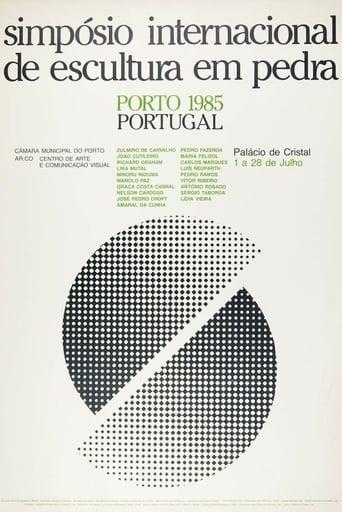
Simpósio Internacional de Escultura em Pedra
Miramar, Praia das Rosas
Do Visível ao Invísivel

Estátuas de Lisboa
Os Últimos Temporais - Cheias do Tejo
Chafariz das Virtudes
出演作品(42)
101
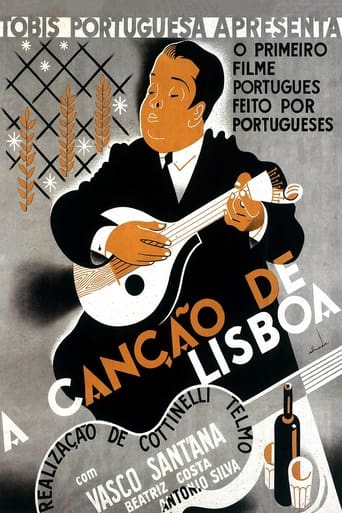
A Canção de Lisboa
Marcello Mastroianni - Mi ricordo, sì, io mi ricordo
Agnès de ci de là Varda
Visita ou Memórias e Confissões
Benilde ou a Virgem Mãe
繻子の靴
Lisbon Story
Amor de Perdição
青い年
世界の始まりへの旅
永遠の語らい
Porto da Minha Infância
A 15ª Pedra
神曲
Inquietude
Agnès de ci de là Varda
ノン、あるいは支配の空しい栄光
Amor de Perdição
A Glória de Fazer Cinema em Portugal
Conversa Acabada
Guest
O Improvável Não é Impossível
Cristóvão Colombo - O Enigma
Nice - À propos de Jean Vigo
Cinématon
Henri Langlois vu par...
En une poignée de mains amies
Agostinho da Silva - Um Pensamento Vivo
Fátima Milagrosa
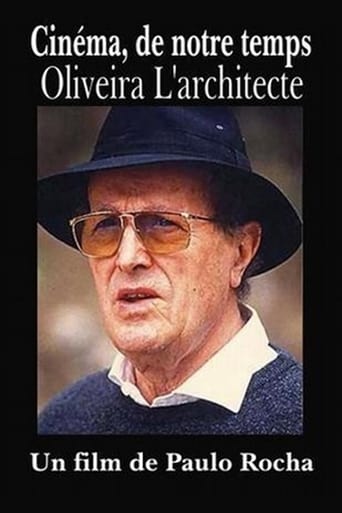
Oliveira, l'architecte
Manoel de Oliveira, O Caso Dele
Jornal Português (1938-1951)
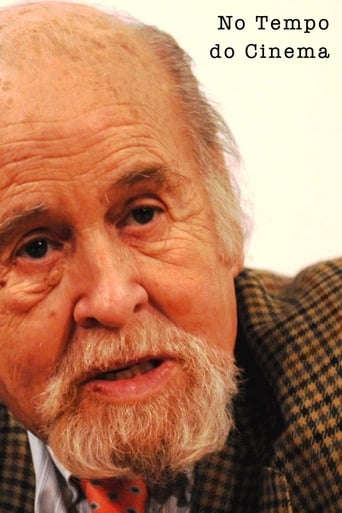
No Tempo do Cinema
Conversazione a Porto
Sodankylä ikuisesti: Elokuvan vuosisata

Cinématon n°102 : Manoel de Oliveira

Biette
A Vida dos Espelhos

Já Está

Zona+
História do Cinema Português