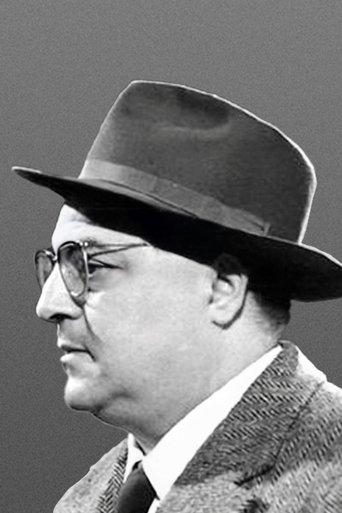
Raffaello Matarazzo
監督1909-08-17Rome, Italy
Largely misunderstood, at best considered a little master of an Italian cinema in full revival after the war thanks to neo-realism, Raffaello Matarazzo is nevertheless the author of some sumptuous melodramas whose success was spectacular in post-fascist Italy. Matarazzo started writing film reviews for the Roman newspaper Il Tevere before re-editing scripts for the Italian film company Cines. His first films were comedies until he shifted to making melodramas. With Catene, produced by Titanus in 1949, he became the most successful director in Italy. Audience loved his melodramas. Critics, however, have tended to disparage his work, saying that Matarazzo films were Neorealismo d'appendice. Since the 1970s, some film critics have tried to restore Matarazzo's reputation. French magazine Positif loved his erotic-historical peplum The Ship of Lost Women.
監督作品(37)
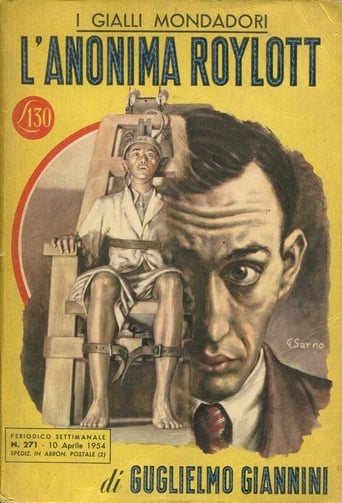
L'anonima Roylott
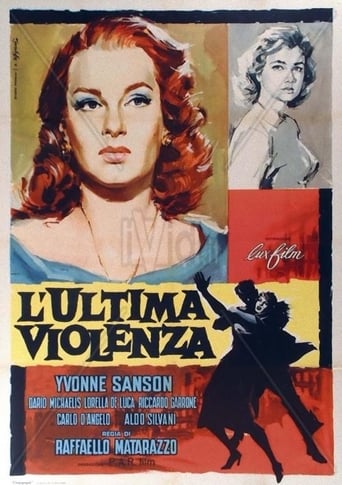
L'ultima violenza
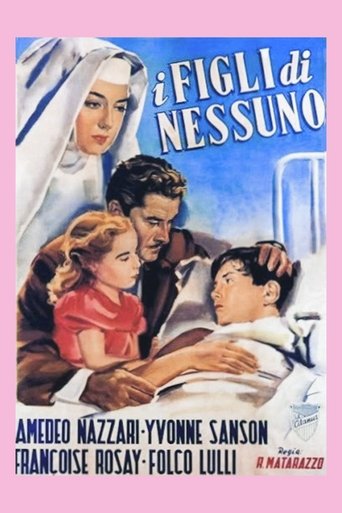
I figli di nessuno
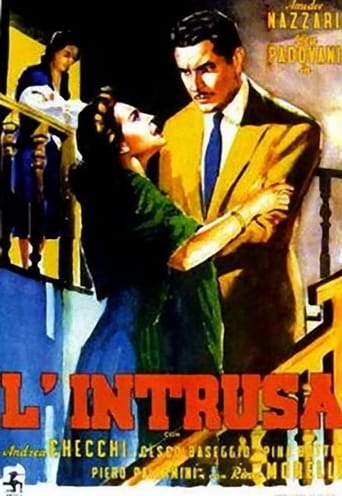
L'intrusa
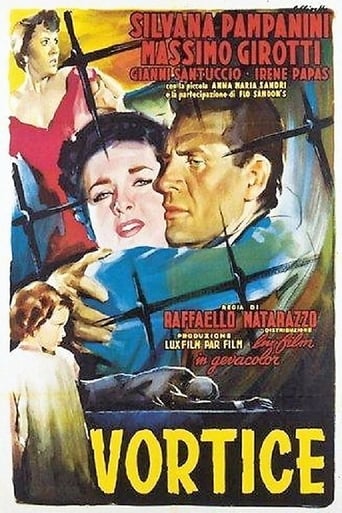
Vortice
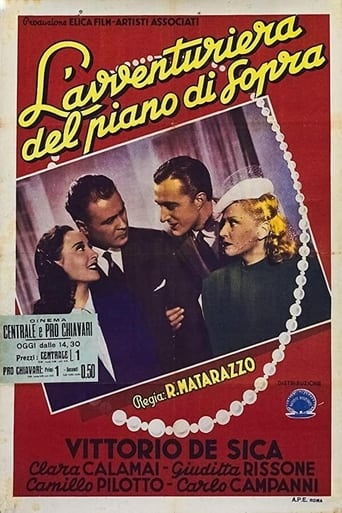
L'avventuriera del piano di sopra
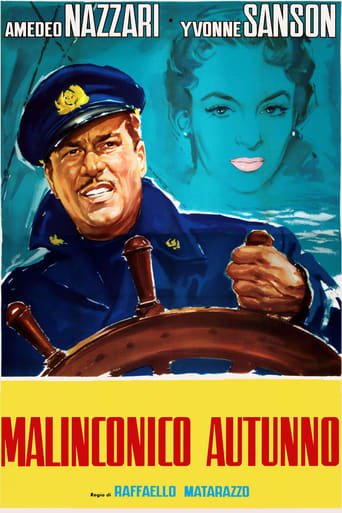
Malinconico autunno
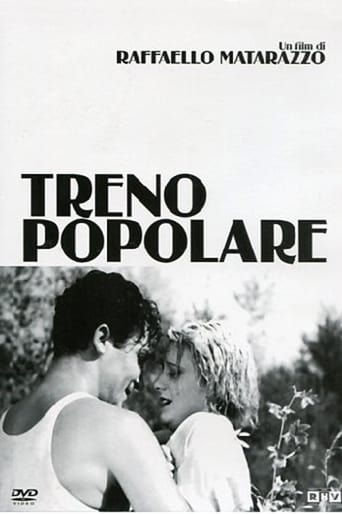
Treno Popolare
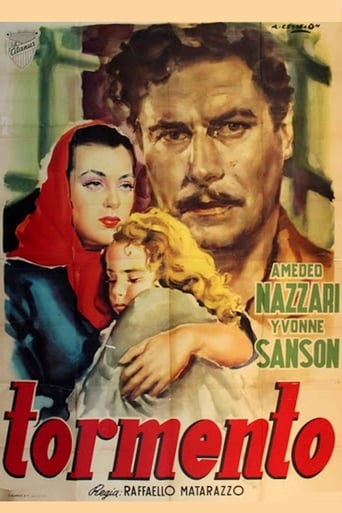
Tormento
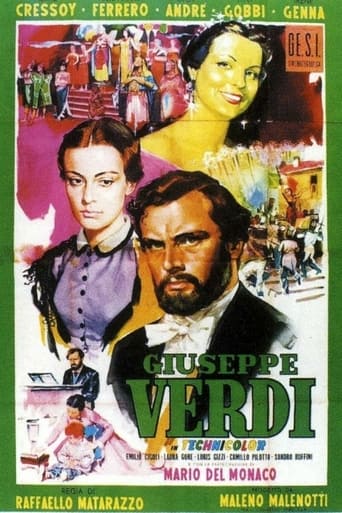
Giuseppe Verdi
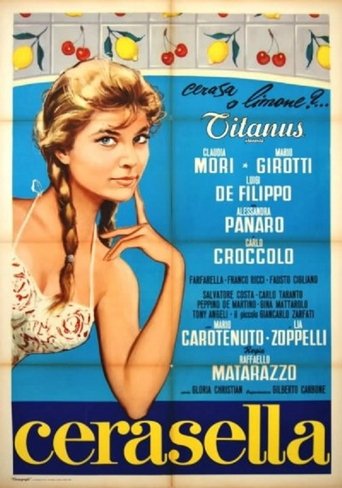
Cerasella
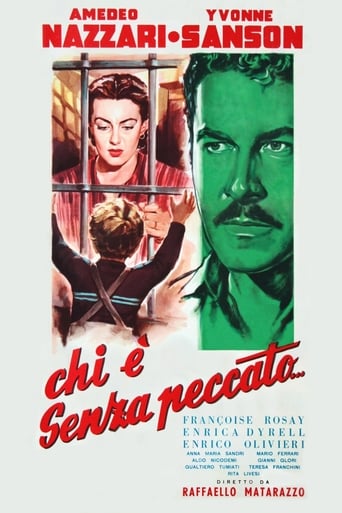
Chi è senza peccato....
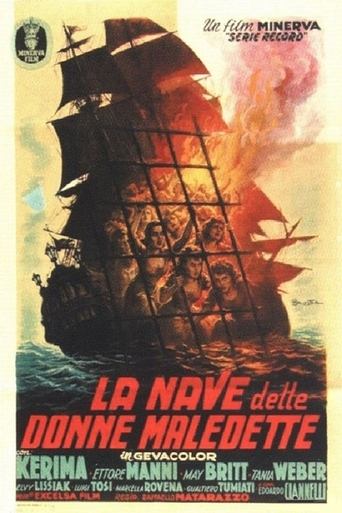
La nave delle donne maledette
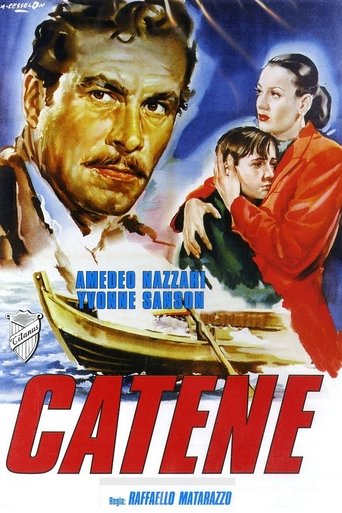
Catene
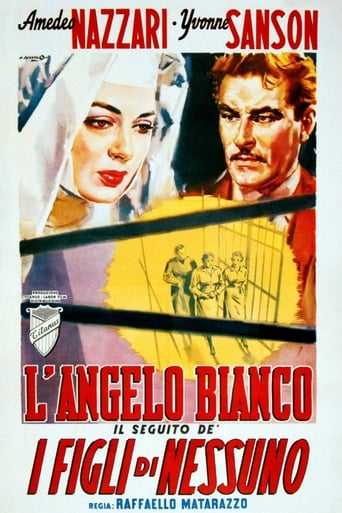
L'angelo bianco
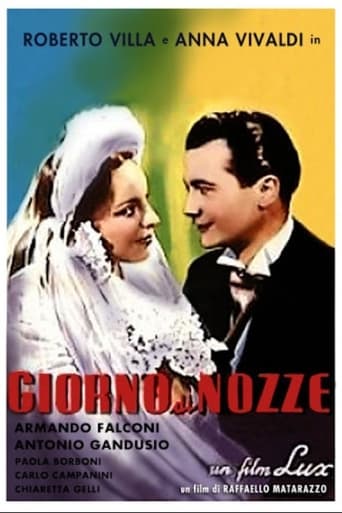
Giorno di nozze
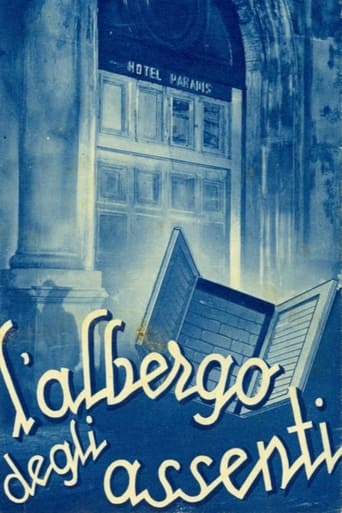
L'Albergo Degli Assenti
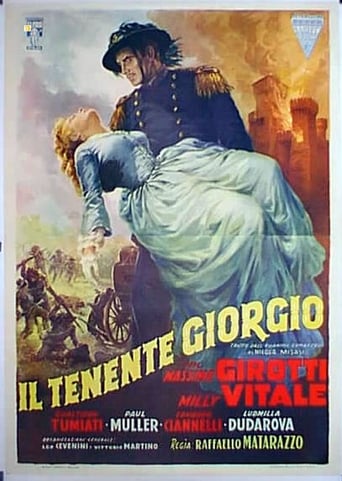
Il tenente Giorgio
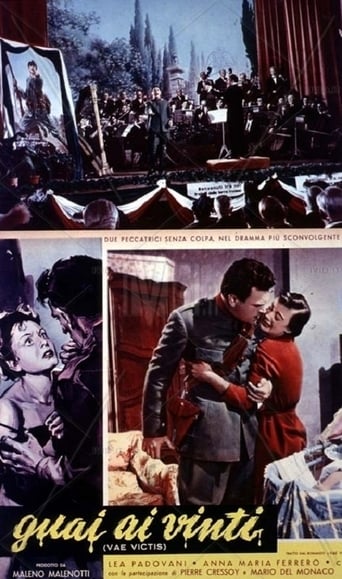
Guai ai vinti
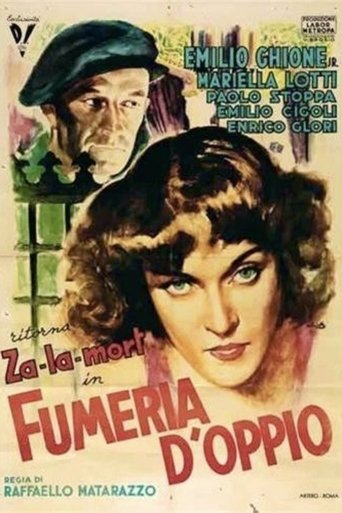
Fumeria d’oppio
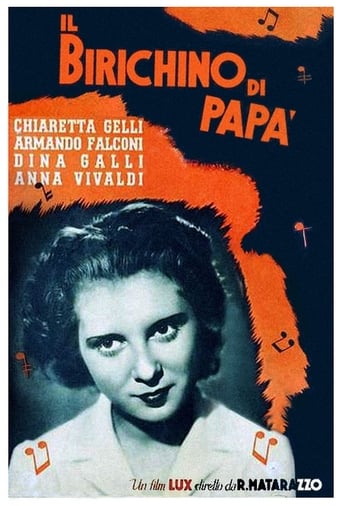
Il birichino di papà
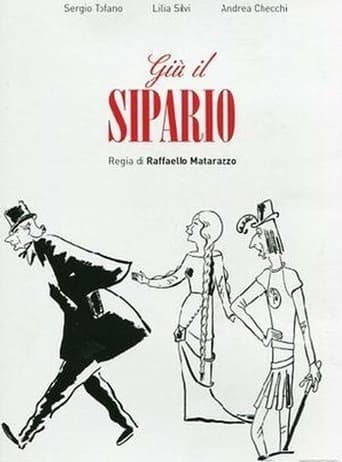
Giù il sipario
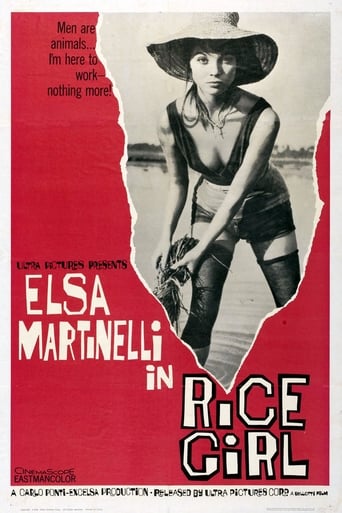
La risaia
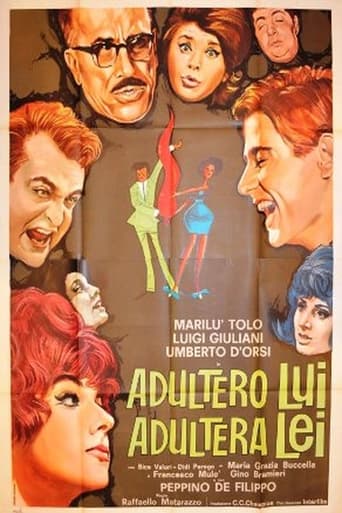
Adultero lui, adultera lei
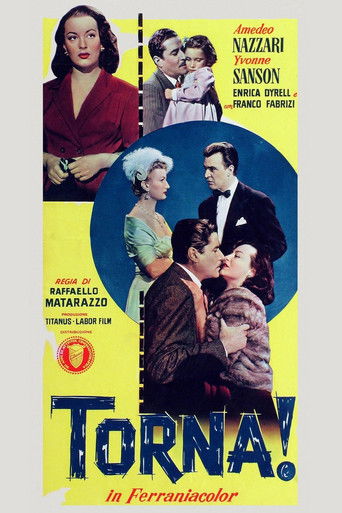
Torna!
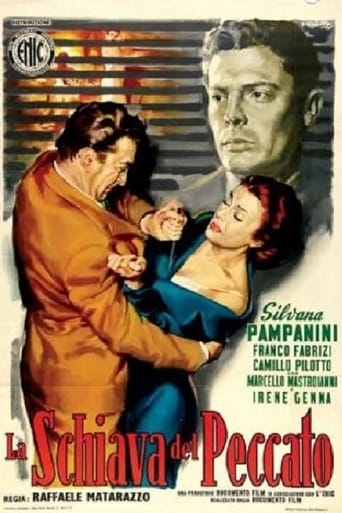
La schiava del peccato
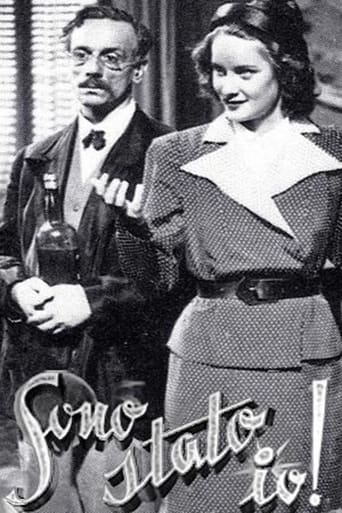
Sono stato io!

Empezó en boda
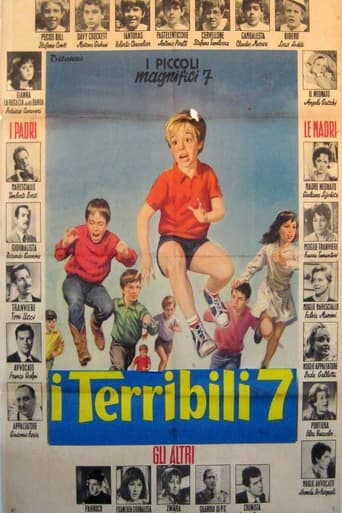
I terribili sette
Littoria
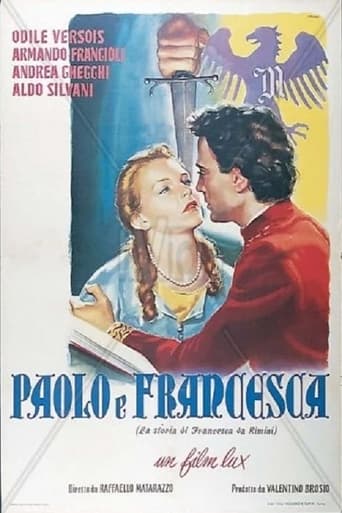
Paolo e Francesca
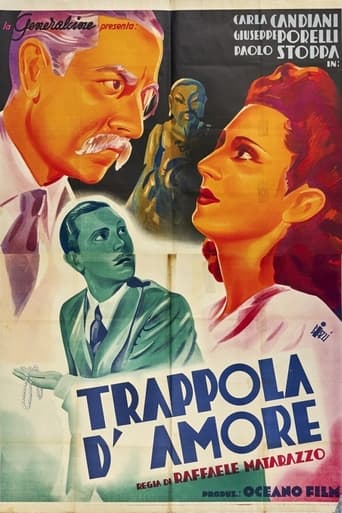
Trappola d'amore
Mussolinia di Sardegna
Lo sciopero dei milioni

Amore mio
Joe il Rosso

Dora la espía