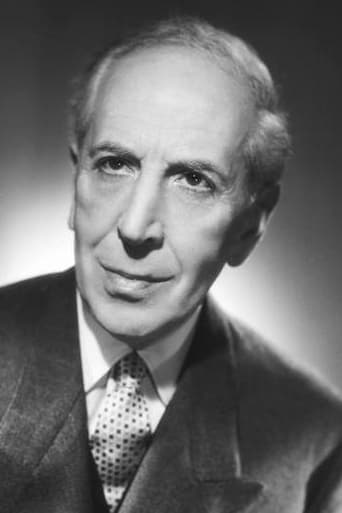
Marcel L'Herbier
監督1888-04-23Paris, France
Marcel L'Herbier (1888-1979) was a French filmmaker who achieved prominence as an avant-garde theorist and imaginative practitioner with a series of silent films in the 1920s. His career as a director continued until the 1950s and he made more than 40 feature films in total. During the 1950s and 1960s, he worked on cultural programmes for French television. He also fulfilled many administrative roles in the French film industry, and he was the founder and the first President of the French film school Institut des hautes études cinématographiques (IDHEC). In 1921, only three years after his first film, Marcel L'Herbier was voted by readers of a French film magazine as the best French director. In the following year, the critic Léon Moussinac marked him as one of the filmmakers whose work was most important for the future of cinema. In this period, L'Herbier was linked with filmmakers such as Abel Gance, Germaine Dulac and Louis Delluc as part of a "first avant-garde" (Impressionism) in French cinema, the first generation to think spontaneously in animated images.
監督作品(45)
Rose-France
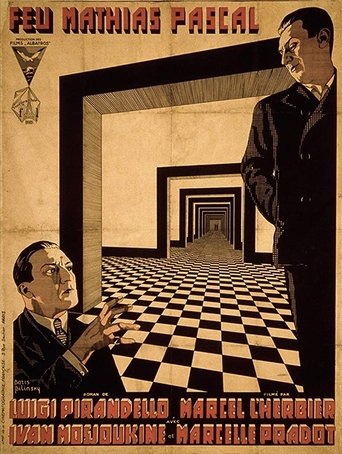
Feu Mathias Pascal
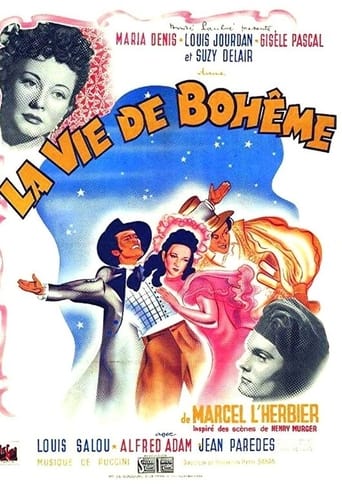
La Vie de bohème
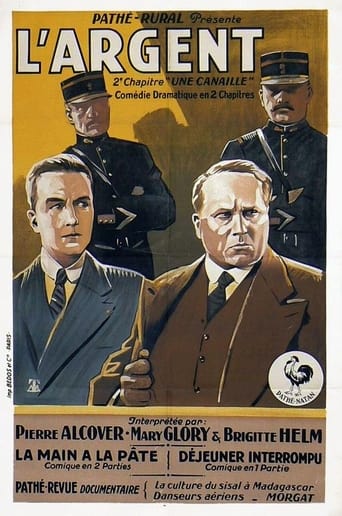
L'Argent
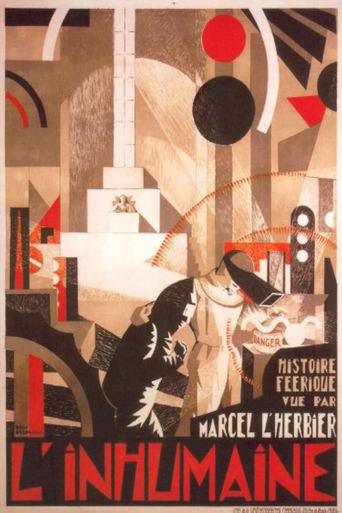
L'Inhumaine
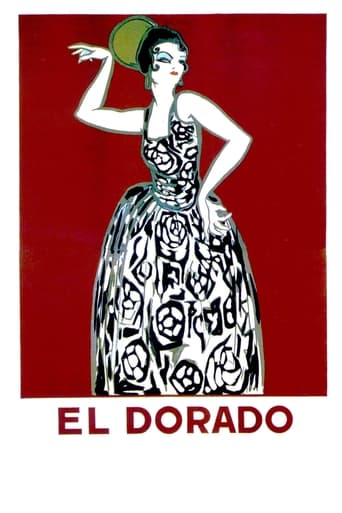
El Dorado
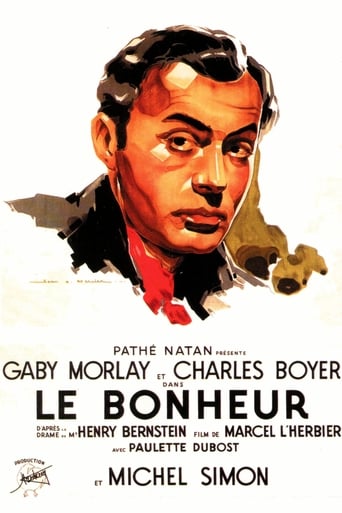
Le Bonheur
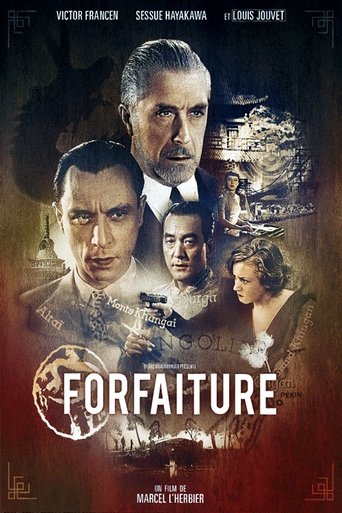
Forfaiture
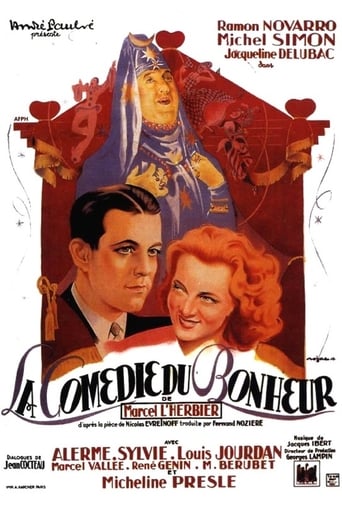
La Comédie du bonheur
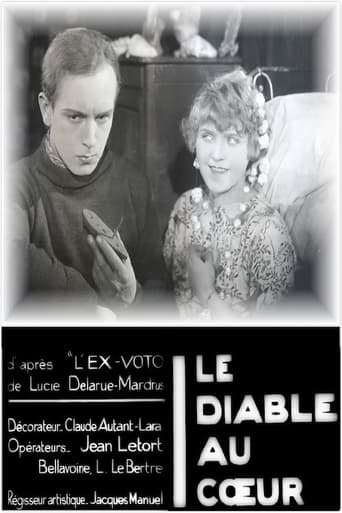
Le Diable au cœur
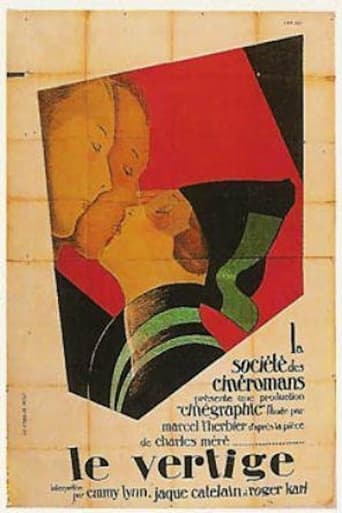
Le Vertige
Le Bercail
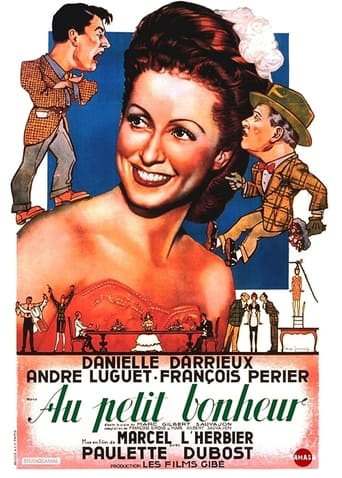
Au petit bonheur
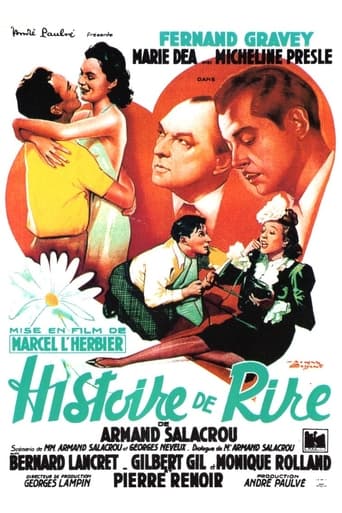
Histoire de rire
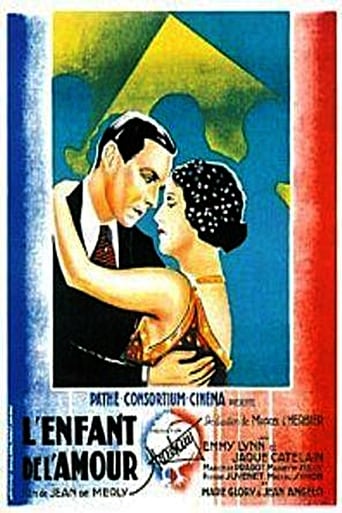
L'Enfant de l'amour
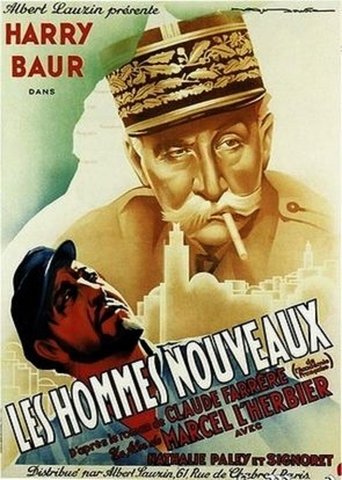
Les Hommes nouveaux
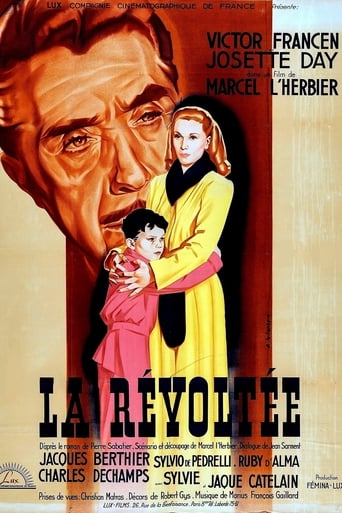
La Révoltée
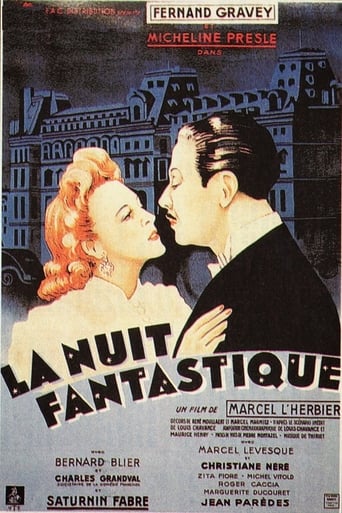
La Nuit fantastique
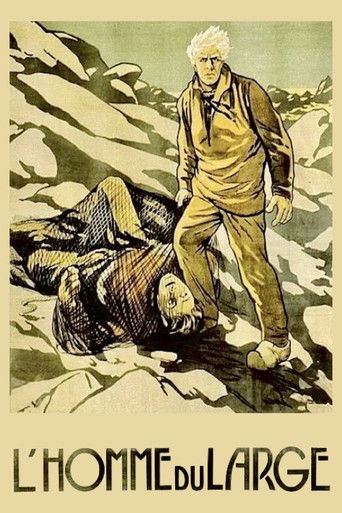
L'Homme du large
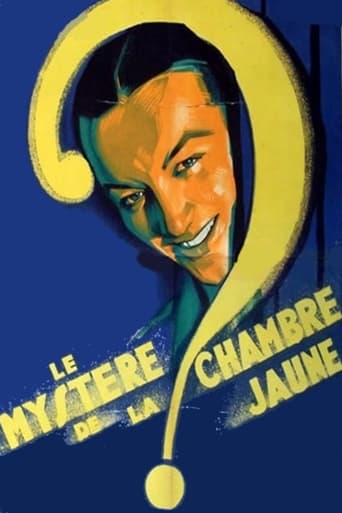
Le Mystère de la chambre jaune
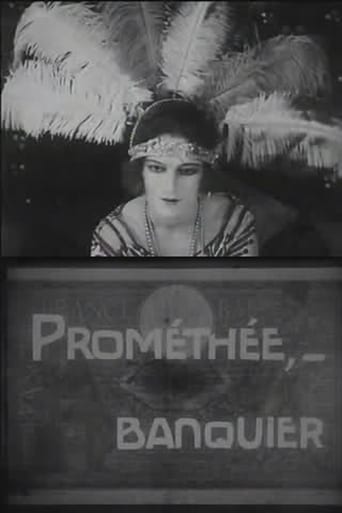
Prométhée, banquier
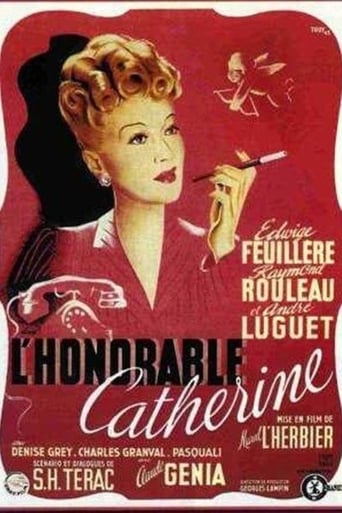
L'Honorable Catherine
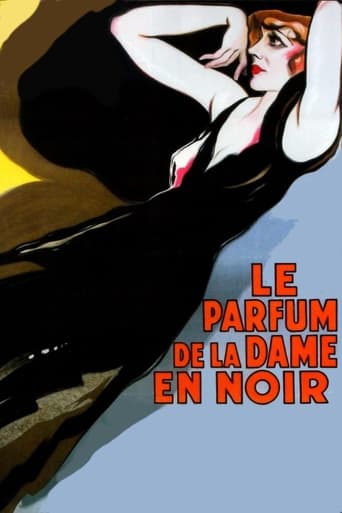
Le Parfum de la dame en noir

Entente cordiale
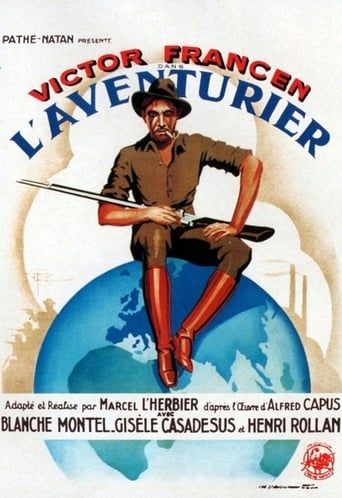
L'Aventurier
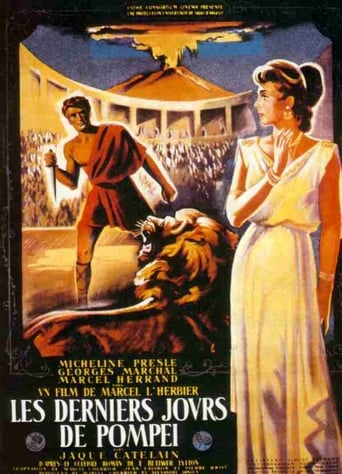
Les Derniers Jours de Pompéi
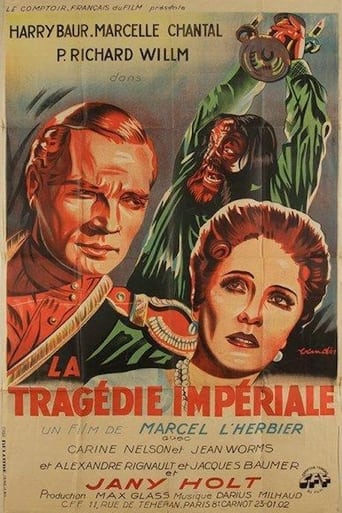
La Tragédie impériale
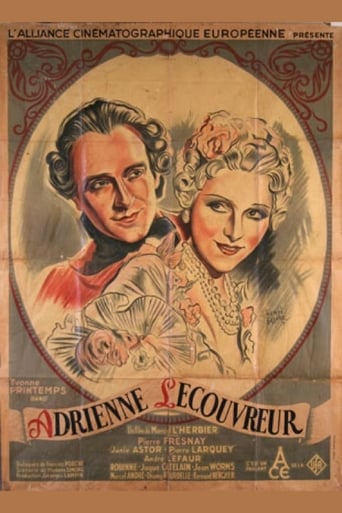
Adrienne Lecouvreur
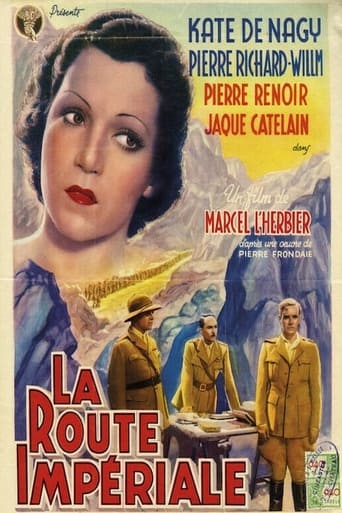
La Route impériale

Le Père de Mademoiselle
Ce qu'a vu le vent d'est
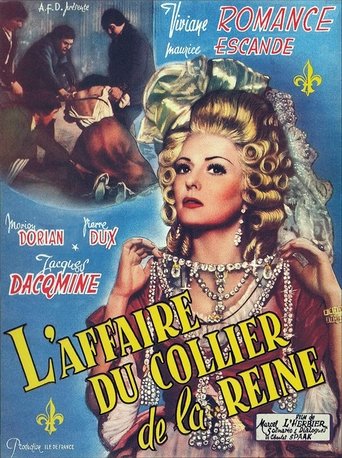
L'Affaire du collier de la reine
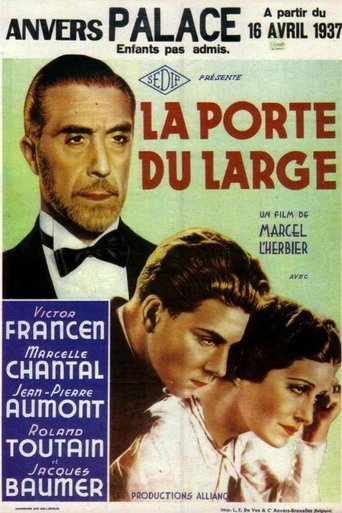
La Porte du large
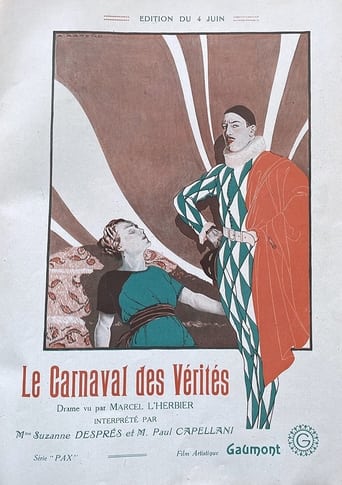
Le Carnaval des vérités
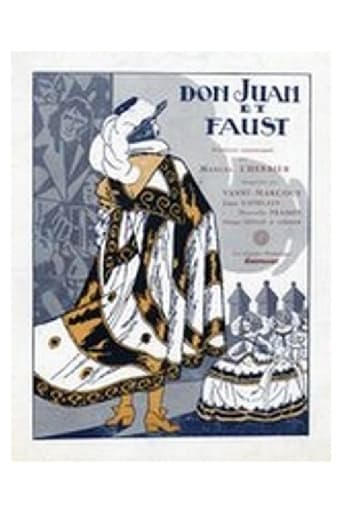
Don Juan et Faust
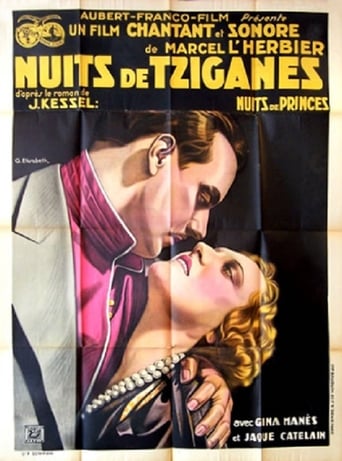
Nuits de princes
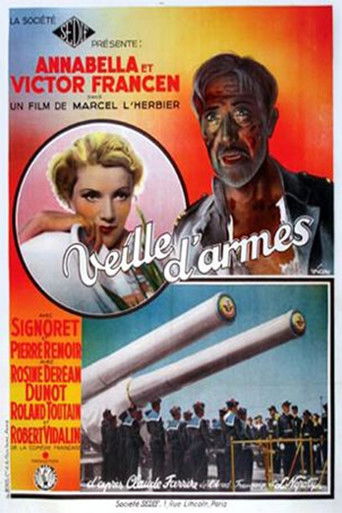
Veille d'armes
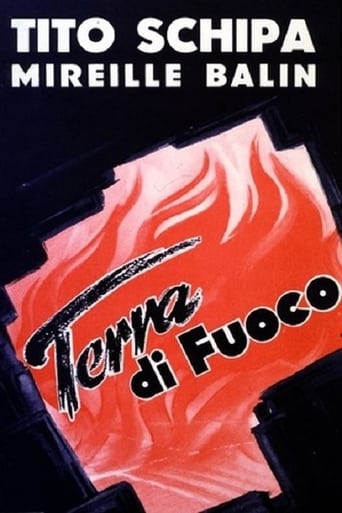
Terra di fuoco
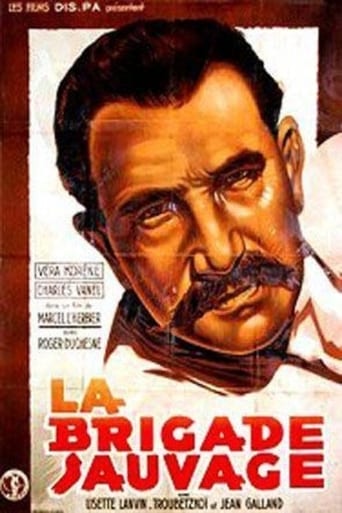
La Brigade sauvage
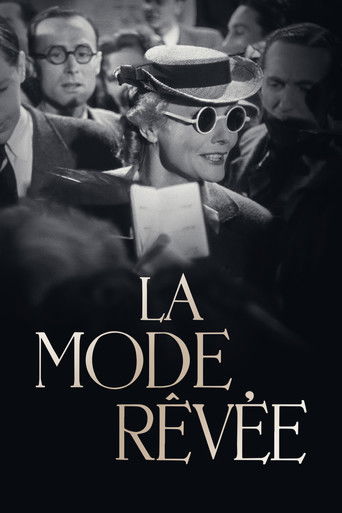
La Mode rêvée
La Féerie des fantasmes
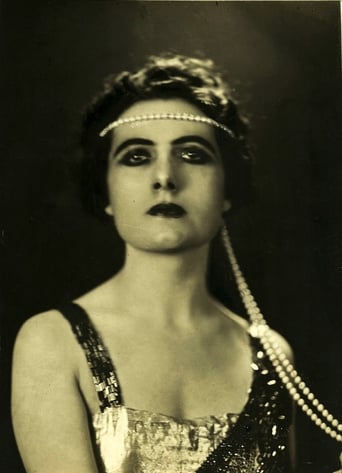
La Femme d'une nuit
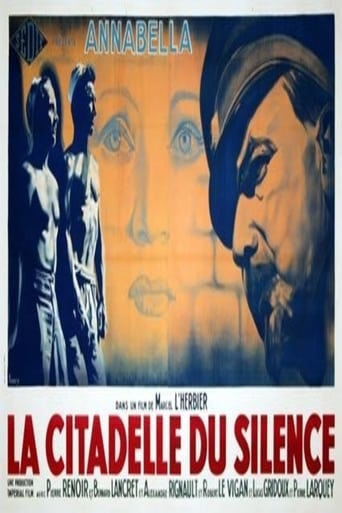
La Citadelle du silence
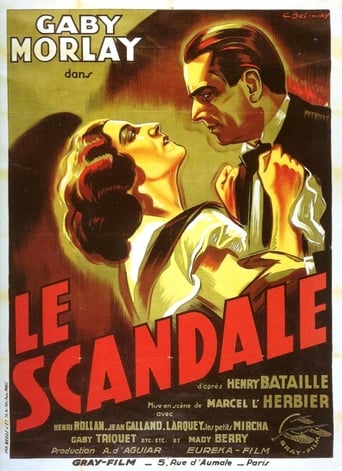
Le Scandale
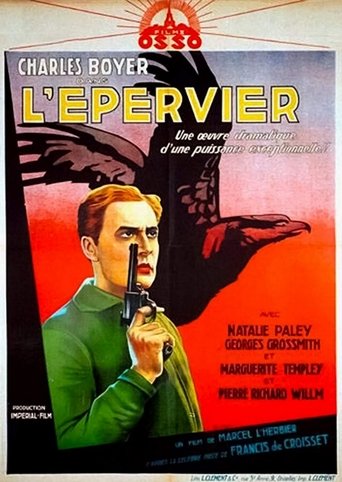
L'Épervier