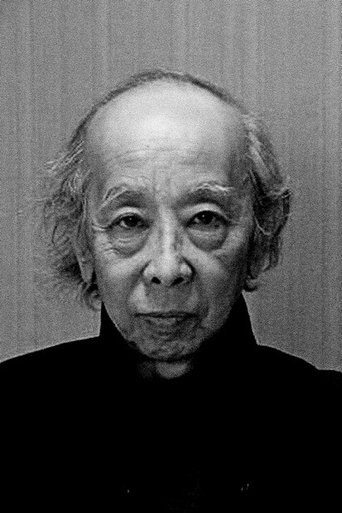
実相寺昭雄
監督1937-03-29Tokyo, Tokyo, Japan
Akio Jissoji was a Japanese television and film director best known outside Japan for the 1960s TV series Ultraman and Ultra Seven, as well as for his auteur erotic ATG-produced Buddhist trilogy Mujō (無常), Mandala (曼陀羅), and Uta (哥). He was also known for his film adaptations of Japanese horror author Rampo Edogawa. Jissoji possessed a very distinctive visual style that was notable even in Japanese cinema which is known internationally for its visual style. Every project he directed, from children's action shows to the most disturbing adult films had an uncompromising approach to cinematic story telling. His episodes of the Ultraman TV shows are unique and quite unusual for children's television. His career is also unusual in that he went back and forth from children's television to film projects that were sexually provocative in some way or another. It is perhaps this aspect of his work that has prevented wider distribution of his films. Sadomasochistic and non-consensual sexual practices are featured in many of his film works with women receiving the brunt of the abuse. Another recurring theme was to pull the camera back and reveal the set his actors were working on.
監督作品(42)
ウルトラQ dark fantasy
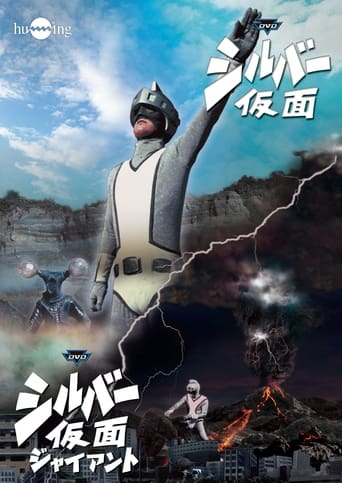
シルバー仮面
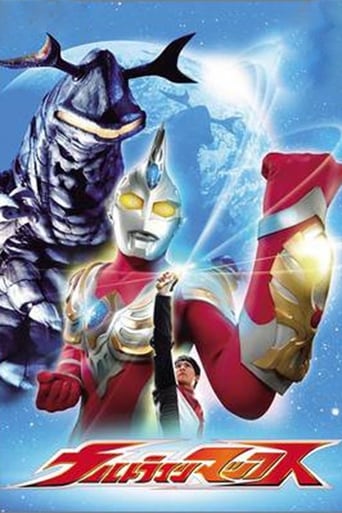
ウルトラマンマックス
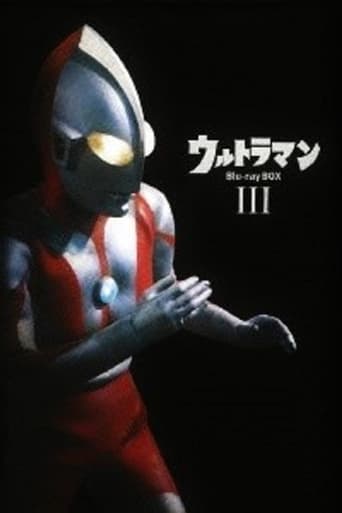
ウルトラマン
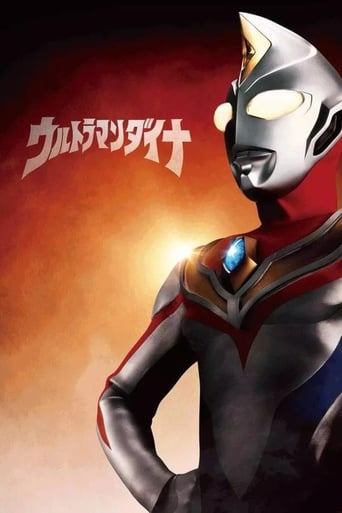
ウルトラマンダイナ
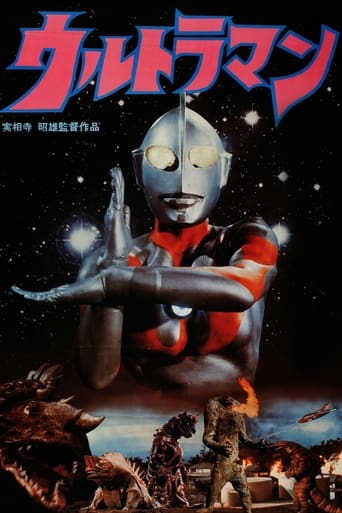
実相寺昭雄監督作品ウルトラマン
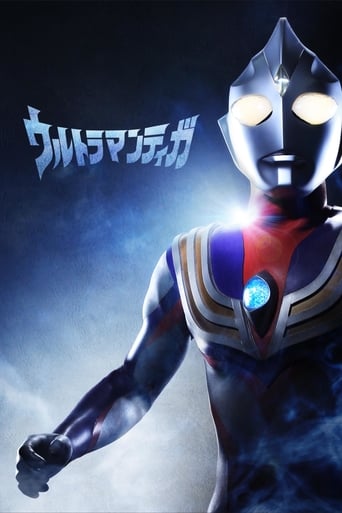
ウルトラマンティガ
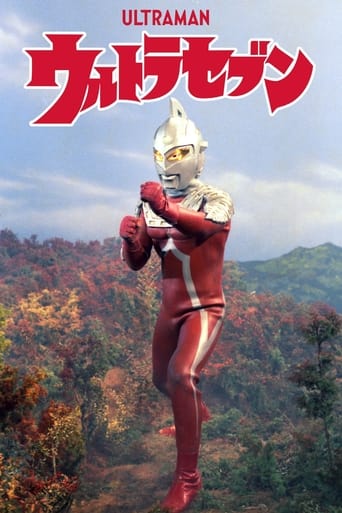
ウルトラセブン
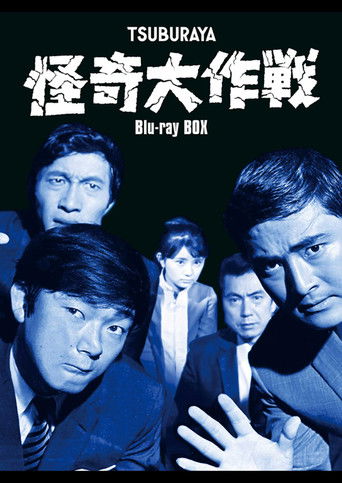
怪奇大作戦
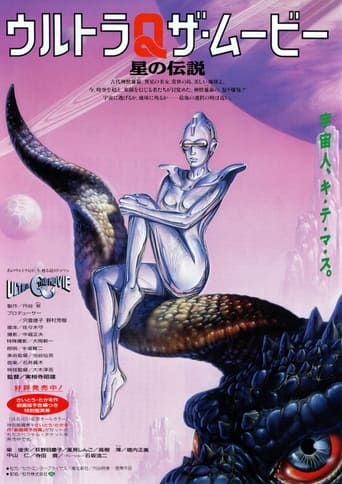
ウルトラQ ザ・ムービー 星の伝説
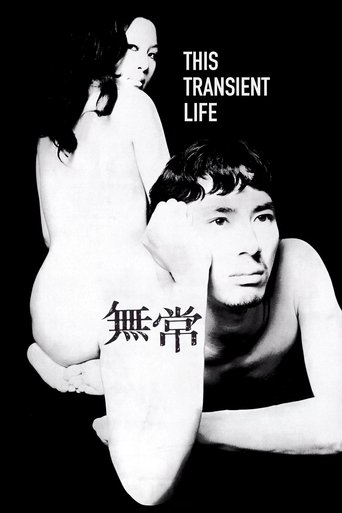
無常
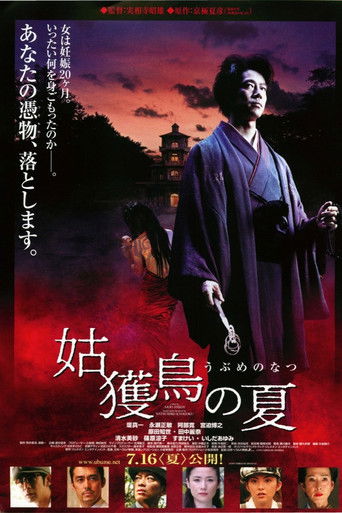
姑獲鳥の夏
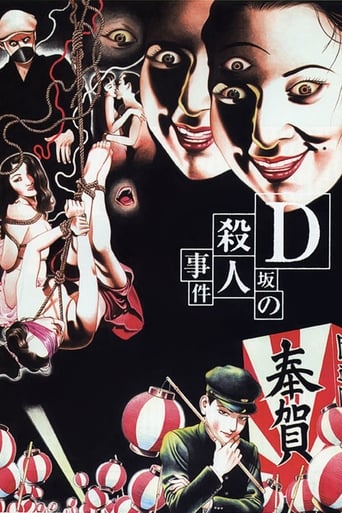
D坂の殺人事件
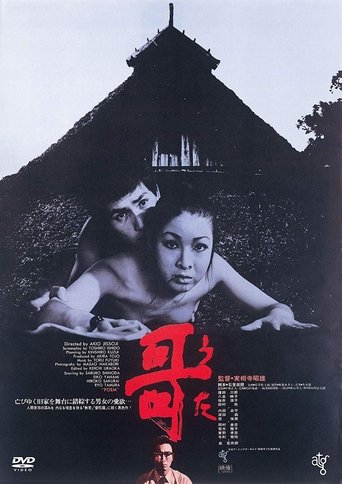
哥
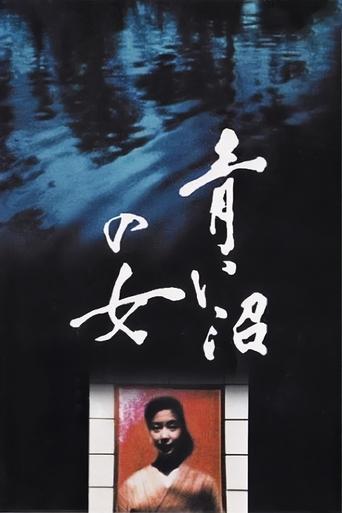
青い沼の女
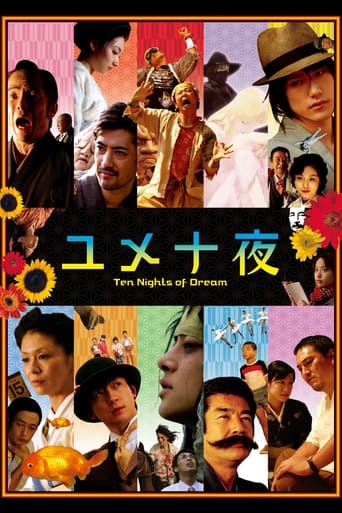
ユメ十夜
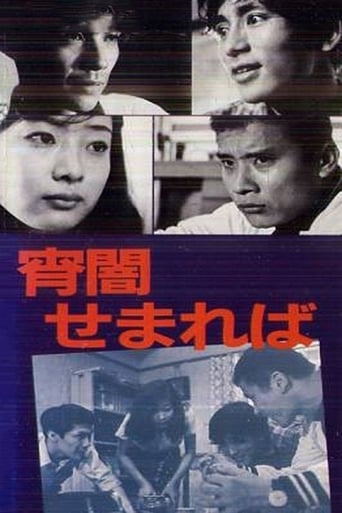
宵闇せまれば
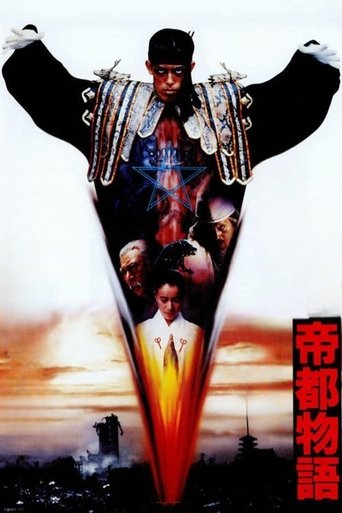
帝都物語
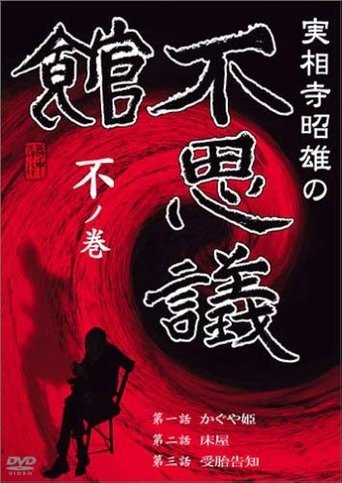
実相寺昭雄の不思議館 不の巻
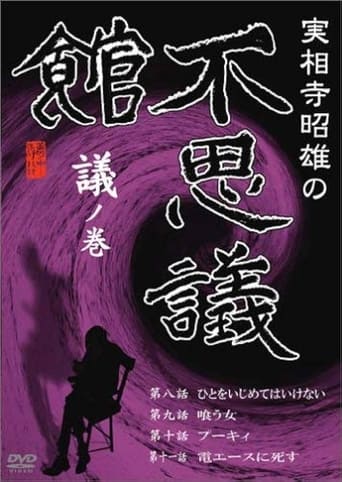
実相寺昭雄の不思議館 議の巻
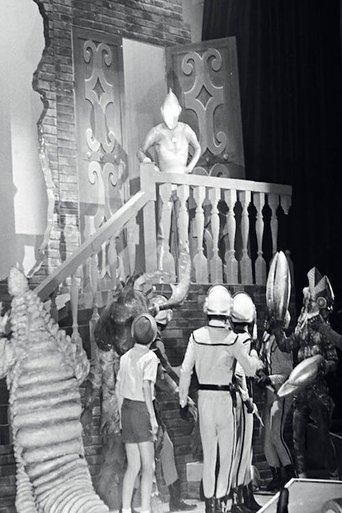
ウルトラマン 誕生
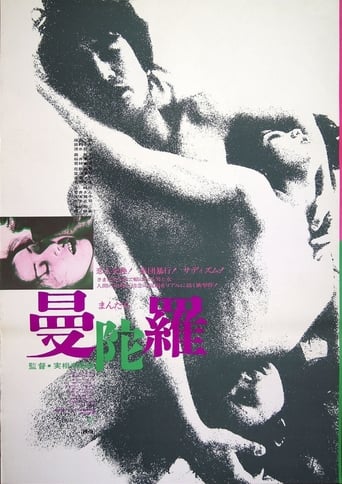
曼陀羅
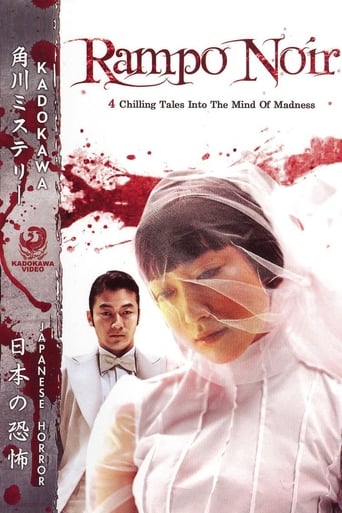
乱歩地獄

あさき夢みし
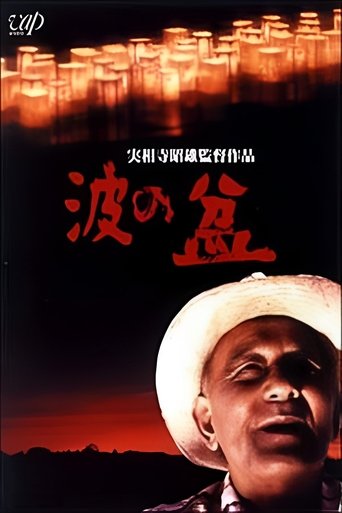
波の盆
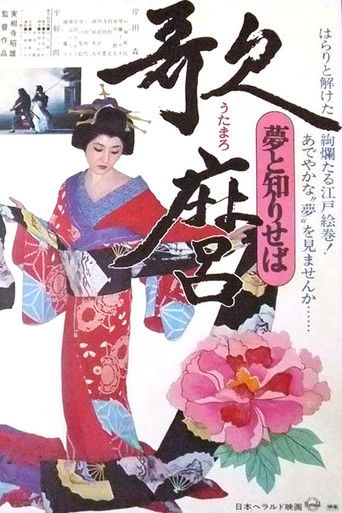
歌麿 夢と知りせば
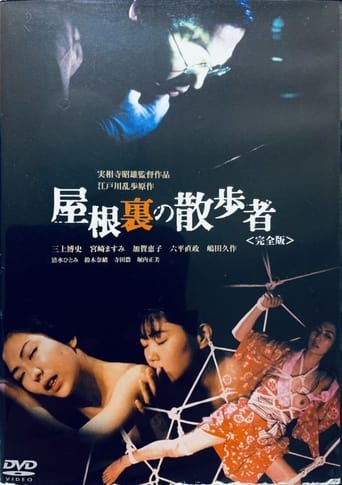
屋根裏の散歩者
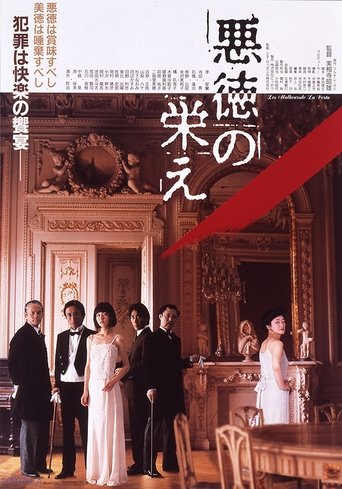
悪徳の栄え
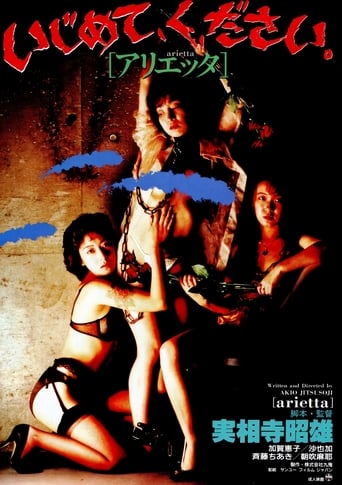
いじめて、ください。アリエッタ
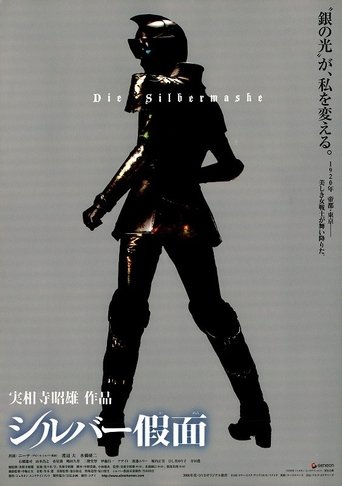
シルバー假面
ラ・ヴァルス
「堕落」~ある人妻の追跡調査~
実相寺昭雄の不思議館1
二十四の瞳
現代の主役 ウルトラQのおやじ
Urutoraman Makkusu

春への憧れ
東京幻夢
京都買います
呪いの壺
死神の子守唄
恐怖の電話