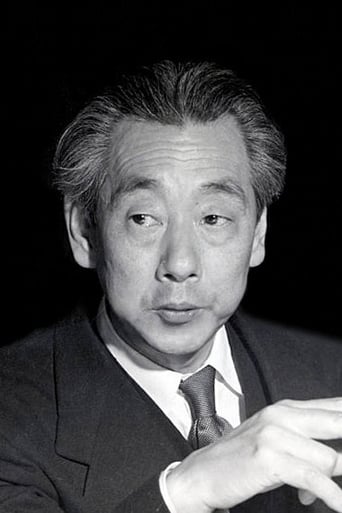
成瀬巳喜男
監督1905-08-20Tokyo, Japan
Mikio Naruse (August 20, 1905 – July 2, 1969) was a Japanese filmmaker, screenwriter, and producer who directed some 89 films spanning the period 1930 (towards the end of the silent period in Japan) to 1967. Naruse is known for imbuing his films with a bleak and pessimistic outlook. He made primarily shomin-geki (working-class drama) films with female protagonists, portrayed by actresses such as Hideko Takamine, Kinuyo Tanaka, and Setsuko Hara. Because of his focus on family drama and the intersection of traditional and modern Japanese culture, his films are frequently compared with the works of Yasujirō Ozu. His reputation is just behind Akira Kurosawa, Kenji Mizoguchi, and Ozu in Japan and internationally; his work remains less well known outside Japan than theirs. Akira Kurosawa called Naruse's style of melodrama, "like a great river with a calm surface and a raging current in its depths". Description above from the Wikipedia article Mikio Naruse, licensed under CC-BY-SA, full list of contributors on Wikipedia.
監督作品(75)

乱れる

女が階段を上る時

乱れ雲
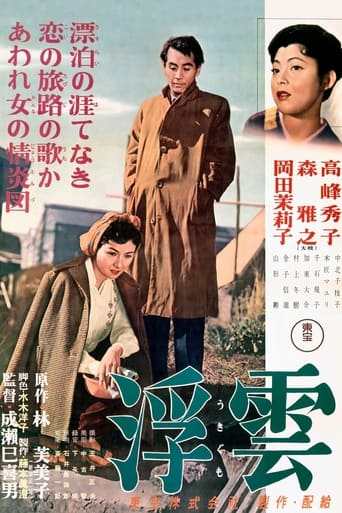
浮雲
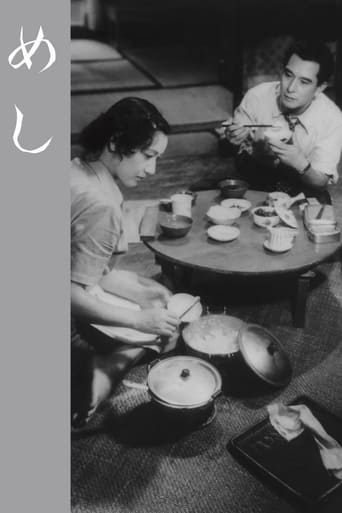
めし
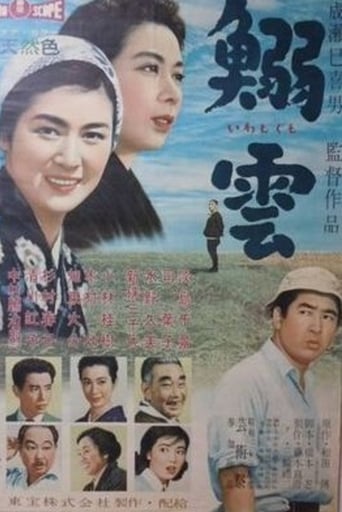
鰯雲
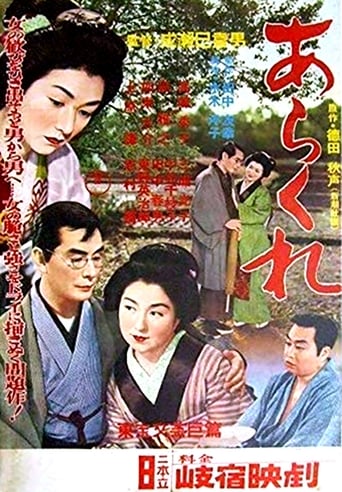
あらくれ

山の音
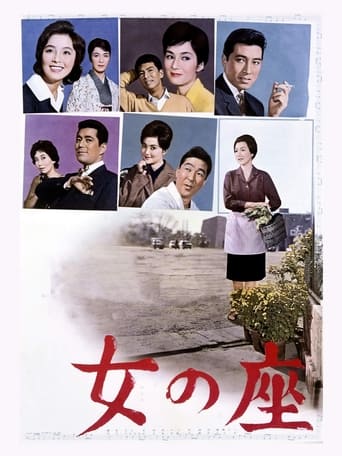
女の座
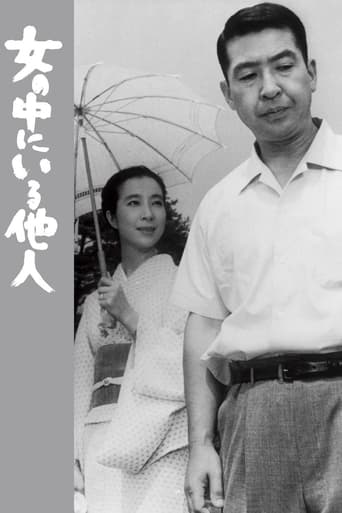
女の中にいる他人

晩菊

夜ごとの夢
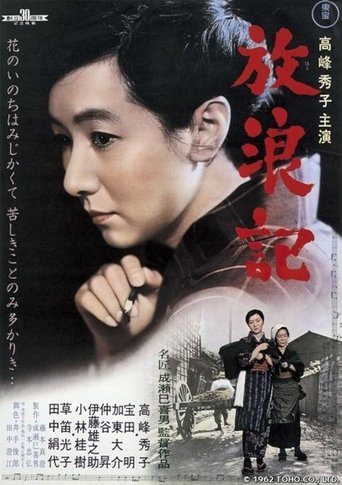
放浪記
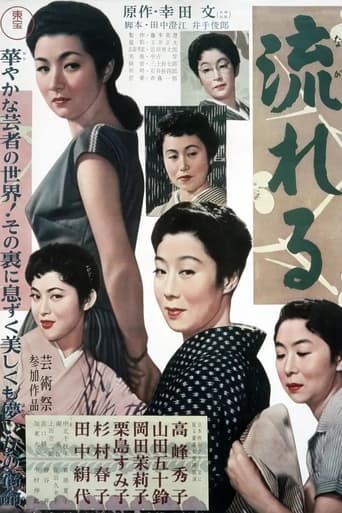
流れる

稲妻
生さぬ仲
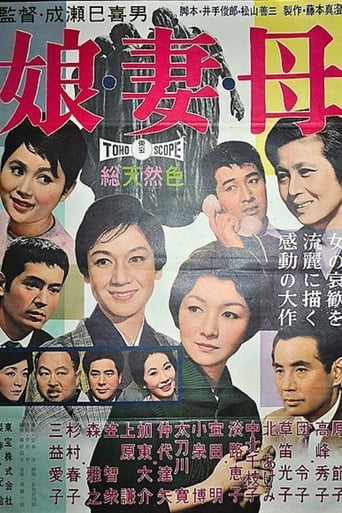
娘・妻・母
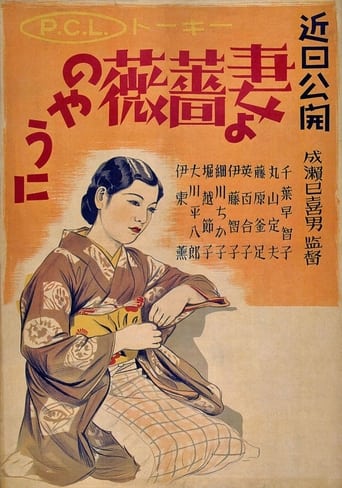
妻よ薔薇のやうに
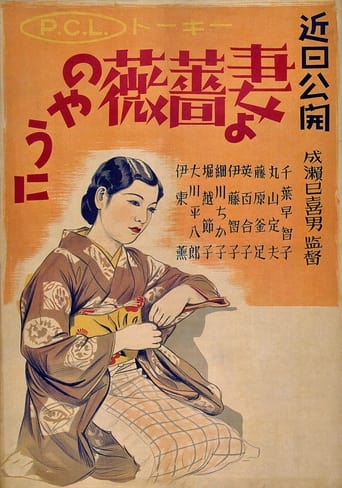
君と別れて
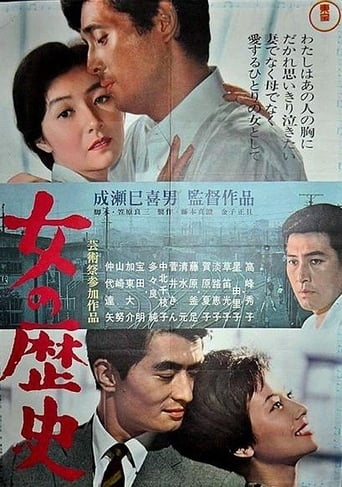
女の歴史
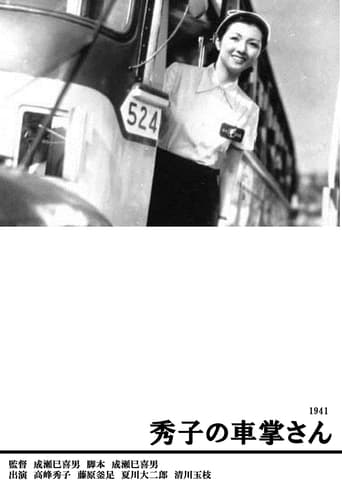
秀子の車掌さん
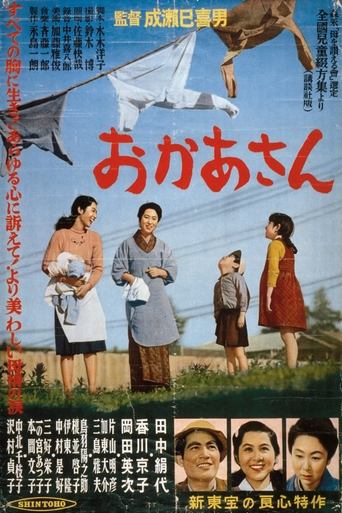
おかあさん
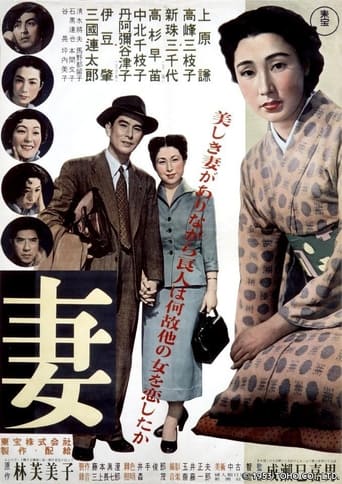
妻
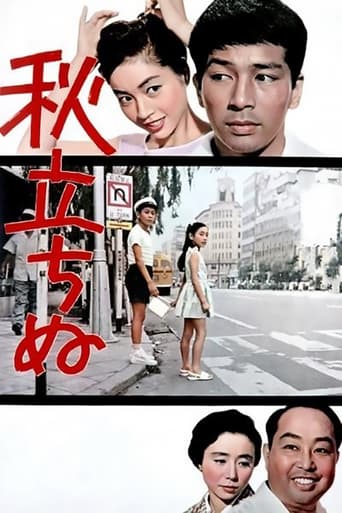
秋立ちぬ
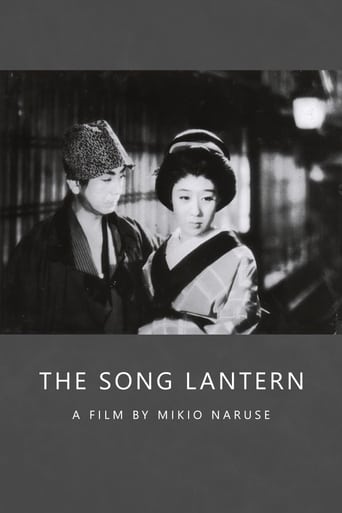
歌行燈
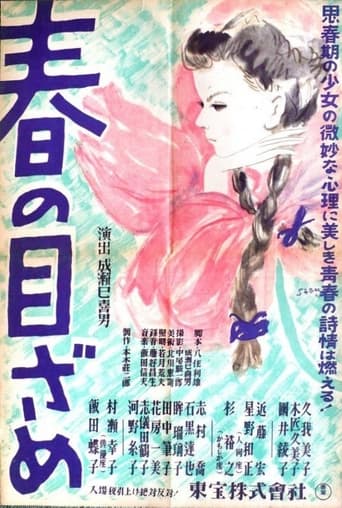
春の目ざめ
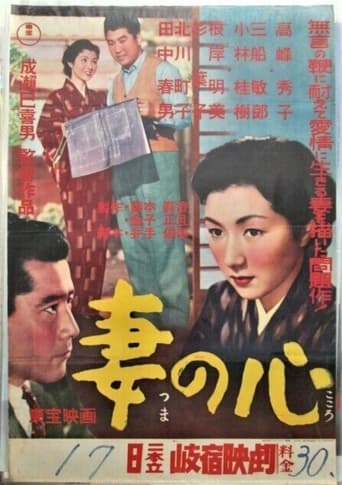
妻の心
女人哀愁
朝の並木路

腰弁頑張れ
限りなき舗道
夫婦
驟雨
雪崩
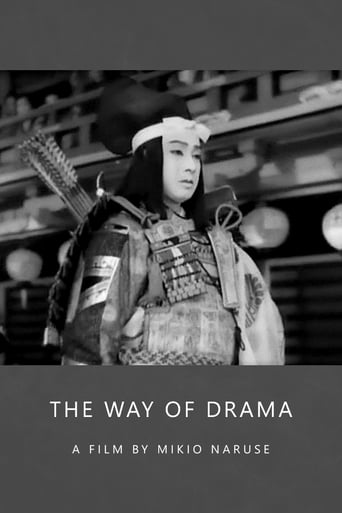
芝居道
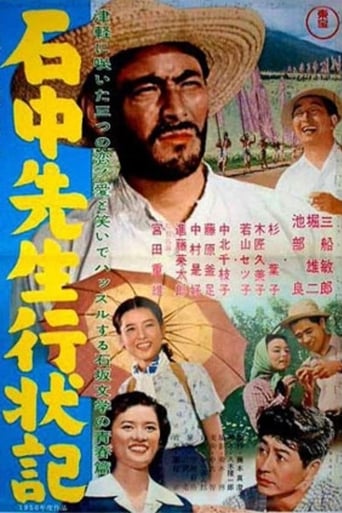
石中先生行状記
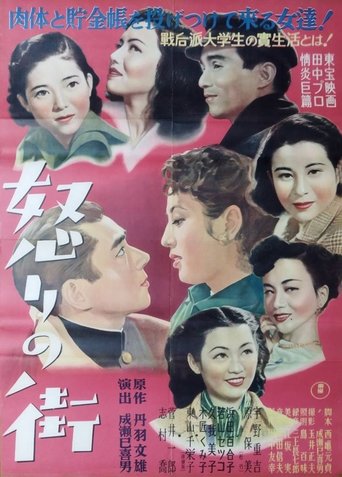
怒りの街
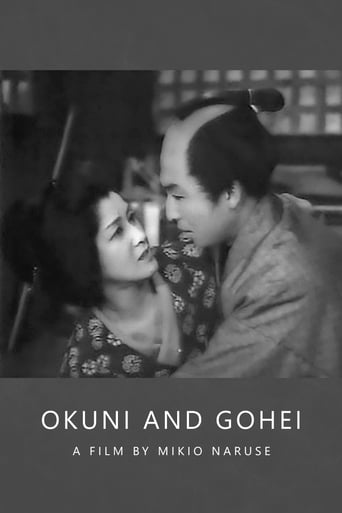
お國と五平
乙女ごころ三人姉妹
君と行く路
コタンの口笛
鶴八鶴次郎
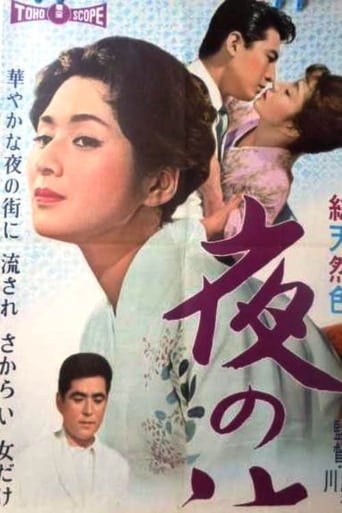
夜の流れ
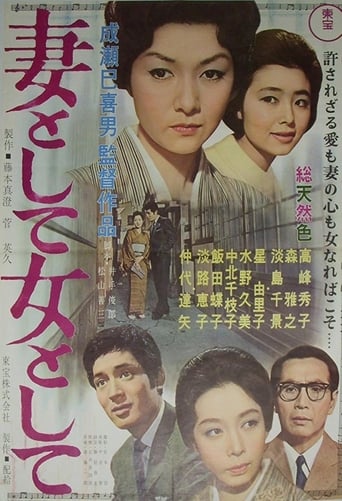
妻として女として
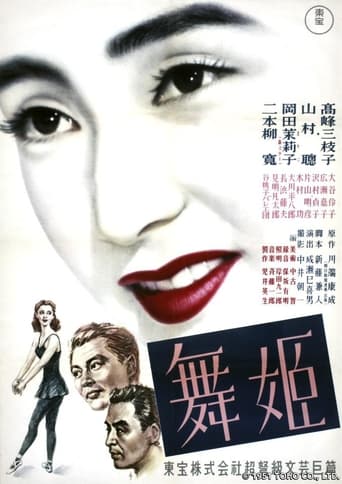
舞姫
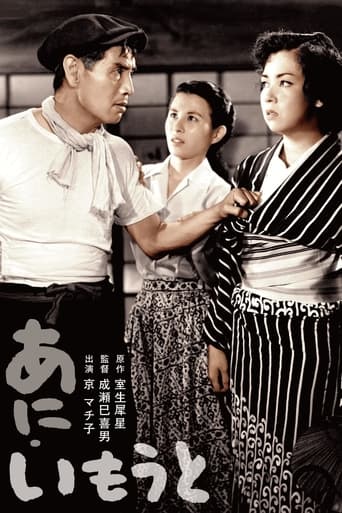
あにいもうと
はたらく一家
銀座化粧
女優と詩人
禍福 後篇
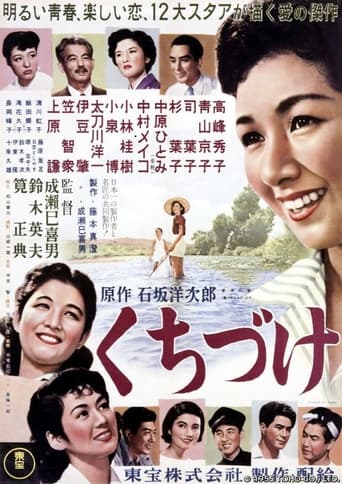
くちづけ

旅役者
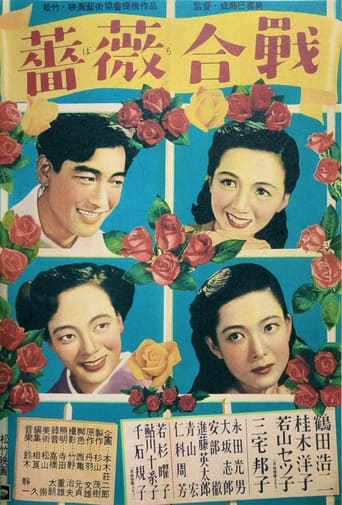
薔薇合戦
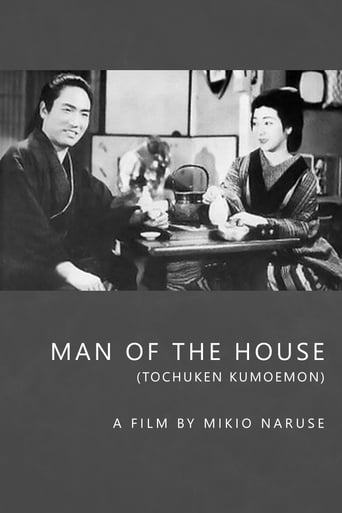
桃中軒雲右衛門
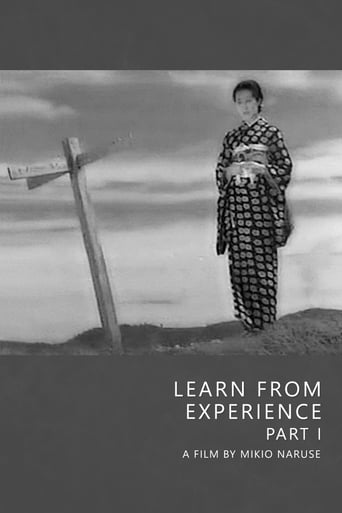
禍福 前篇
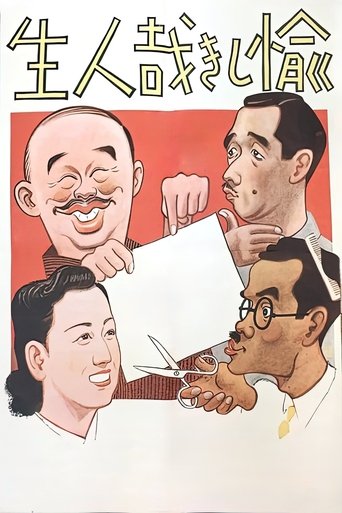
愉しき哉人生
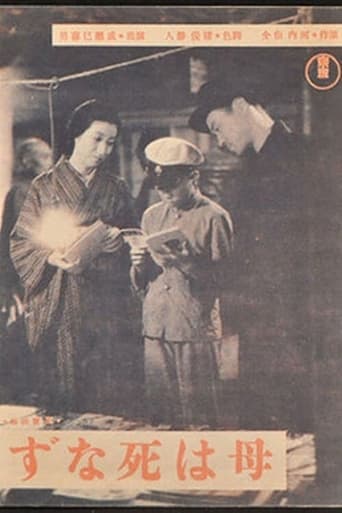
母は死なず
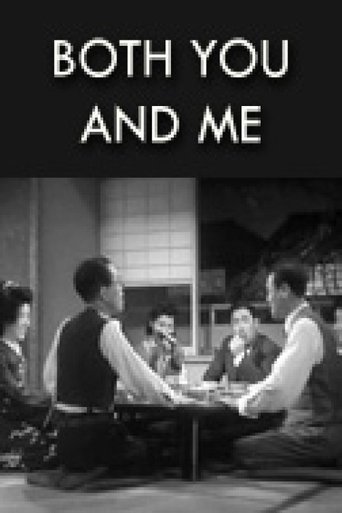
俺もお前も
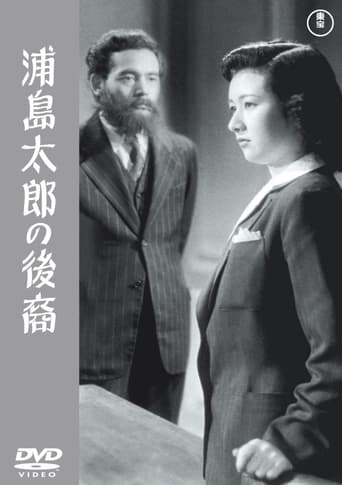
浦島太郎の後裔
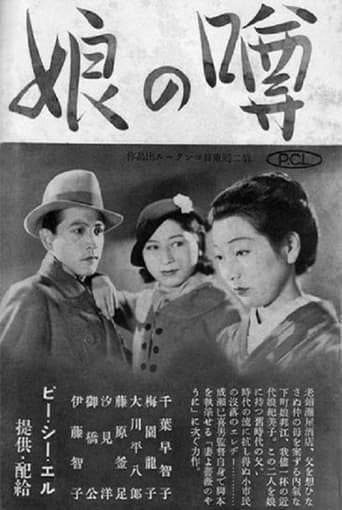
噂の娘
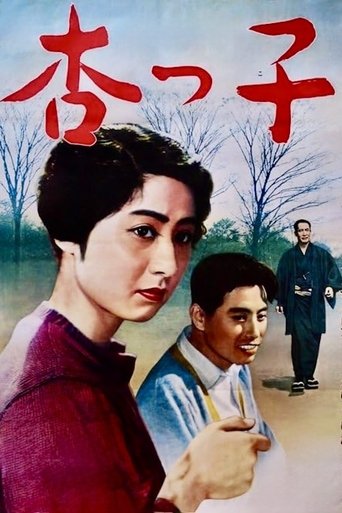
杏っ子
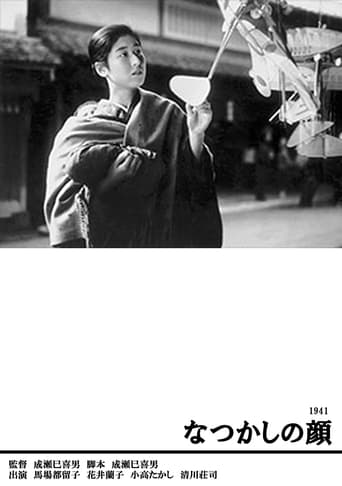
なつかしの顔
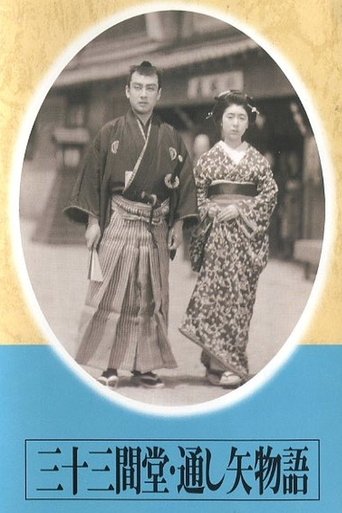
三十三間堂・通し矢物語
四つの恋の物語
ひき逃げ

白い野獣
まごころ
サーカス五人組
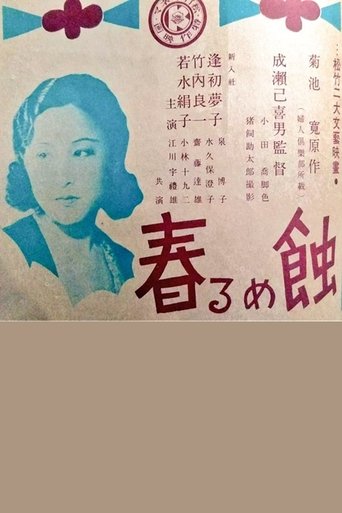
蝕める春
不景気時代
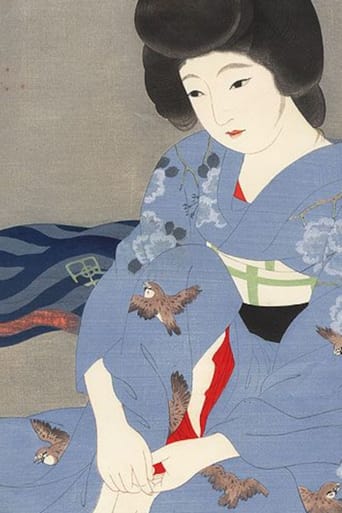
チャンバラ夫婦

純情

愛 和 力 だ
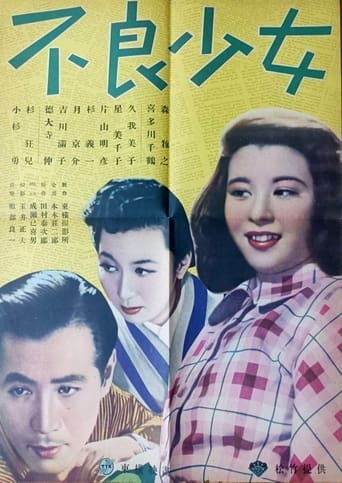
不良少女
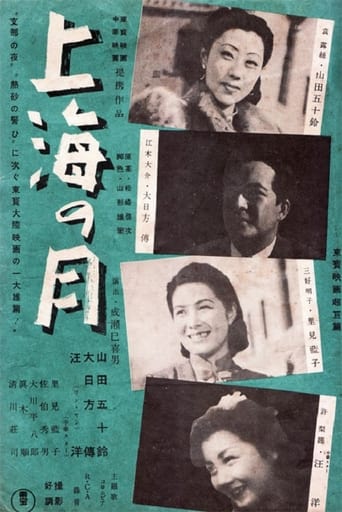
上海の月