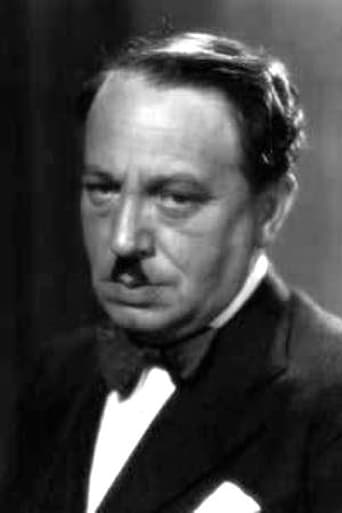
Gyula Gózon
俳優1885-04-19Érsekújvár, Austria-Hungary (now Slovakia)
Gyula Gózon (19 April 1885, Nové Zámky – 8 October 1972, Budapest) was a Hungarian actor and comedian. Gyula Gózon was born on 19 April 1885, in Nové Zámky, but grew up in Esztergom. With the mentoring of his brother, he could fulfill his dream of learning to be a singer actor at the actor school of Szidi Rákosi in Budapest. After graduating, he joins a group touring the southern part of the country, often working under harsh conditions, changing location and repertory often. During this period he has the chance to polish his prosaic capabilities, one that was omitted in Rákosi's school. After playing in Târgu Mureş and Miercurea Ciuc, he gains the attention of Miklós Erdélyi, the director of Oradea's theater, who offers him contract in 1904. He plays here for six years, and befriends Gyula Kabos, forming a lifelong comradeship, and comedic duo. In 1912 Endre Nagy offers him to join his newly forming Cabaret (Apolló theatre) in Budapest, followed by years working in the Népopera and Király Theatre. Gózon accepted his first movie role in 1914 (the silent film A becsapott újságíró), appearing nearly a hundred during his lifetime. In 1917 he marries Lili Berky, with whom he starts the Muskátli Cabaret, often appearing on stage together. After the venture failed in 1920, he joins the Belvárosi Theatre in 1927, followed by the Új Theatre two years later. With Gyula Kabos he gets a role in Kék Bálvány, Hungary's first major motion picture, and like his mate, Gózon quickly becomes a much used actor of the emerging movie industry, appearing in the first hits of Budapest's theatres, like Hyppolit a lakáj or Meseautó. In 1935, along with his wife, he is contracted to the National Theatre). On the account of Jew-laws, he is banned from work in 1941, followed by years of hiding in his Rákosliget home during World War II. In 1945 Gózon re-joins the National Theatre, enjoying a second flowering of his career for a decade. After his wife's death in 1958, the health of the now 73-year-old actor began to fail, and seven years after his last appearance in the National Theatre, he died on 8 October 1972. Gyula Gózon is one of the few entertainers who could be successful and active all along the years of the Monarchy, the Horthy regime, and the Communist rule. Throughout his long career, he appeared in over 90 movies (including silent ones), and was both a pioneer and master of the Hungarian Cabaret. He received the Kossuth Prize in 1954. His former home in Rákosliget is now home to the Gózon Gyula Repertory Theater, opened in 2005. Description above from the Wikipedia article Gyula Gózon, licensed under CC-BY-SA, full list of contributors on Wikipedia.
出演作品(59)
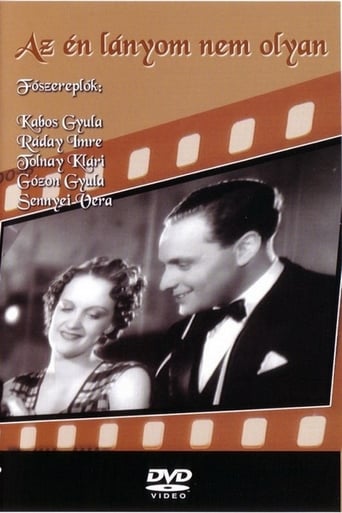
Az én lányom nem olyan
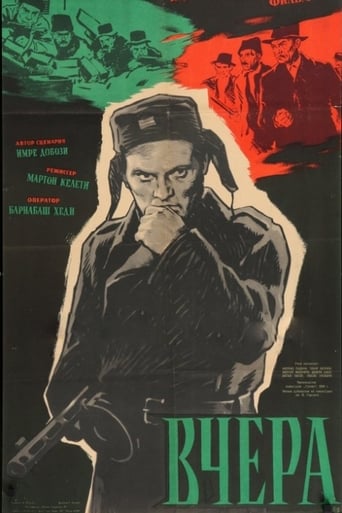
Tegnap
Könnyű múzsa
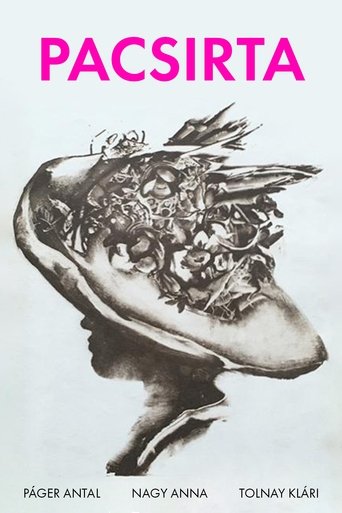
Pacsirta
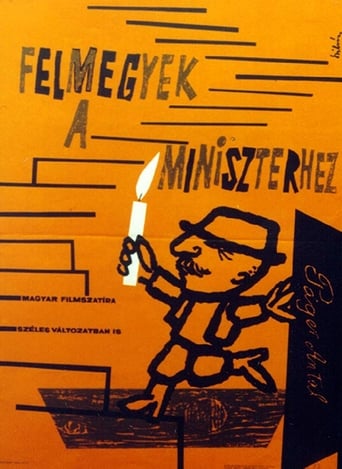
Felmegyek a miniszterhez
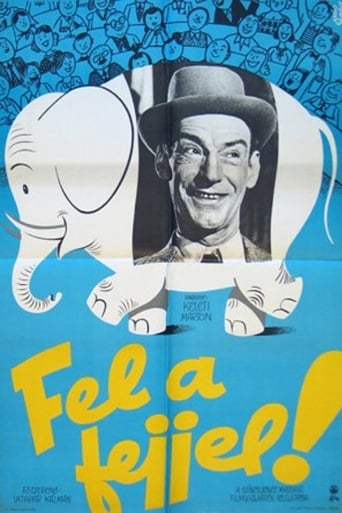
Fel a fejjel
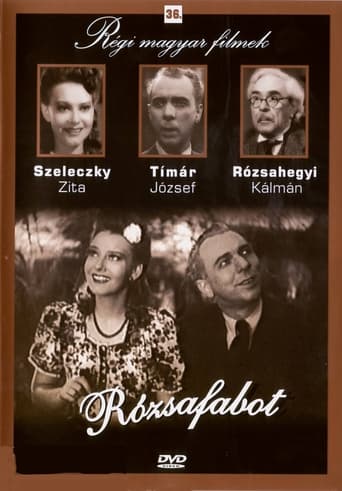
Rózsafabot
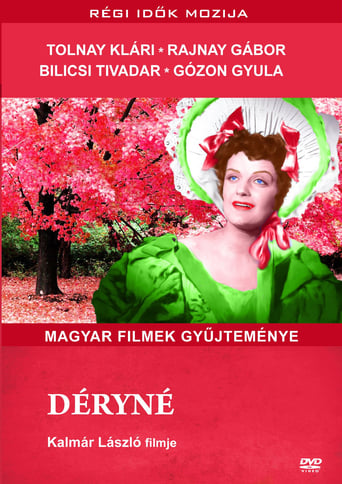
Déryné
Édes mostoha
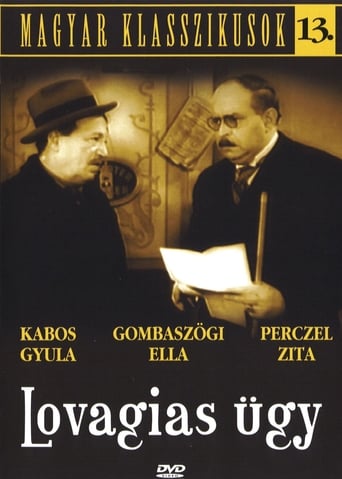
Lovagias ügy
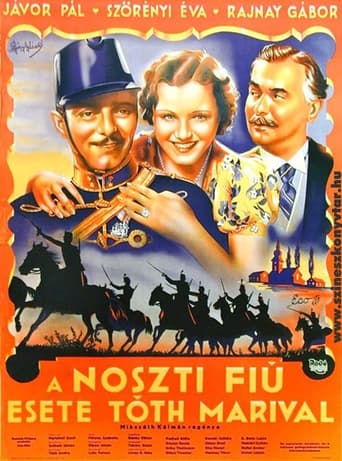
A Noszty fiú esete Tóth Marival
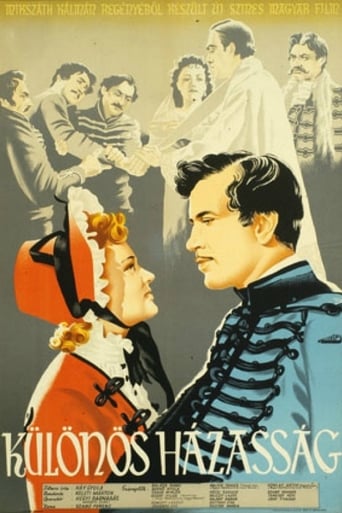
Különös házasság
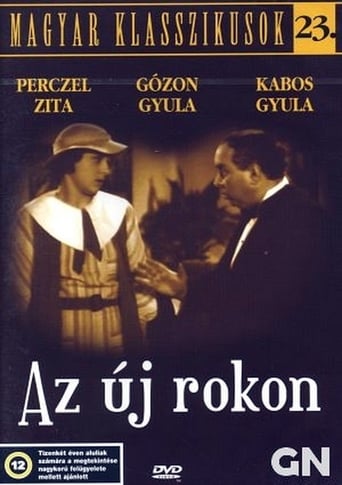
Az új rokon
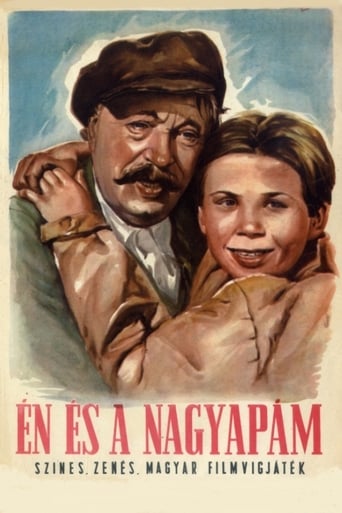
Én és a nagyapám
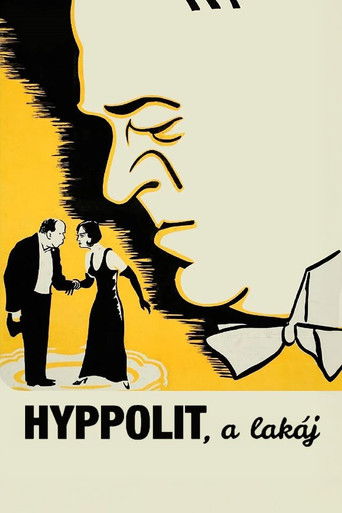
Hyppolit a lakáj
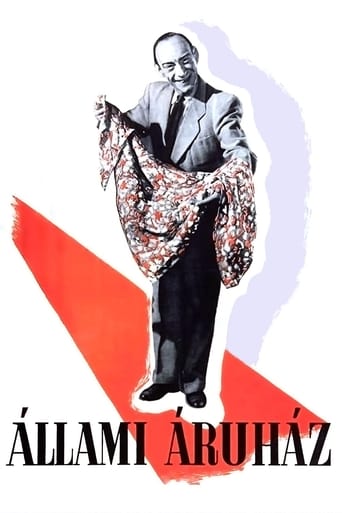
Állami áruház
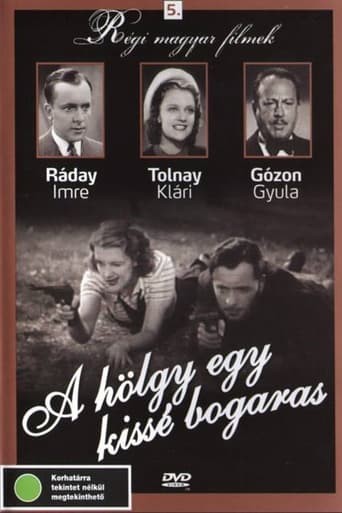
A hölgy egy kissé bogaras
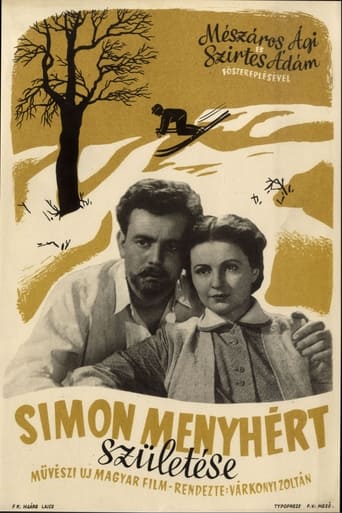
Simon Menyhért születése
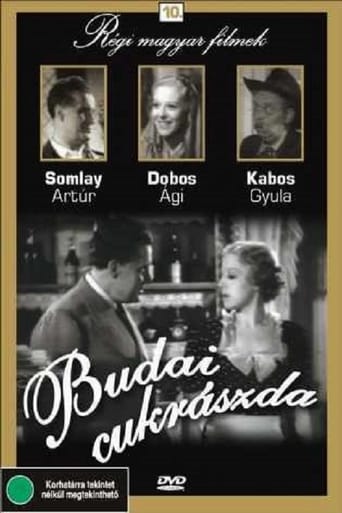
Budai Cukrászda
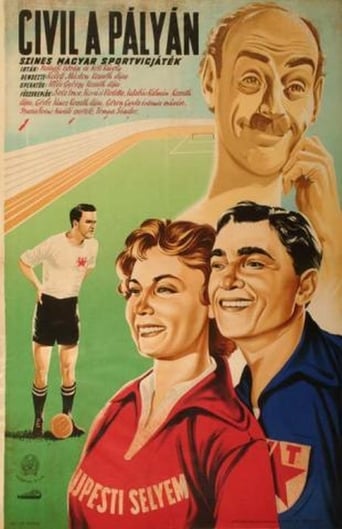
Civil a pályán
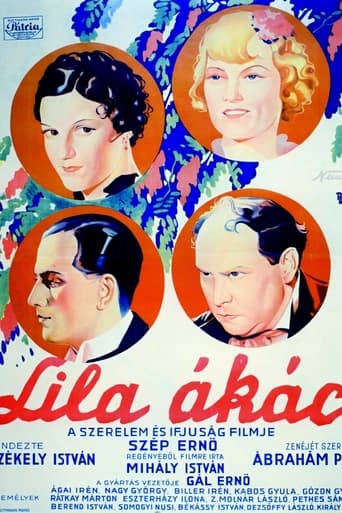
Lila akác
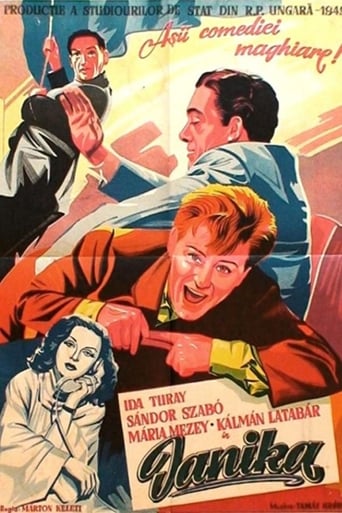
Janika
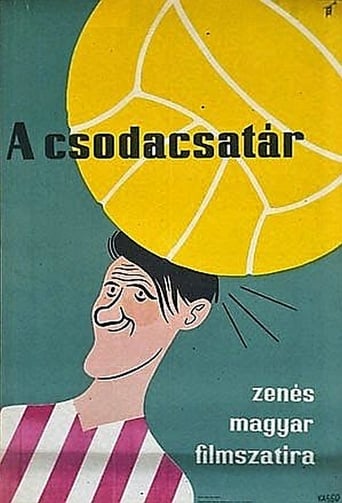
A csodacsatár
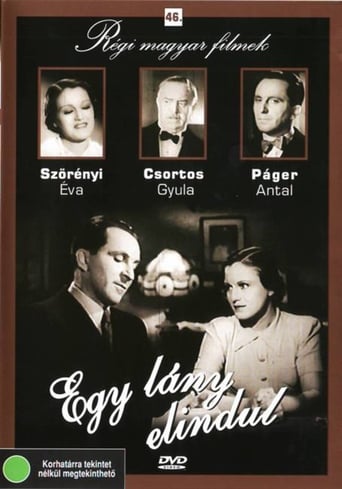
Egy lány elindul
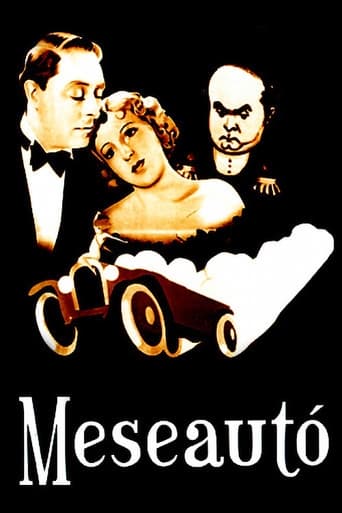
Meseautó
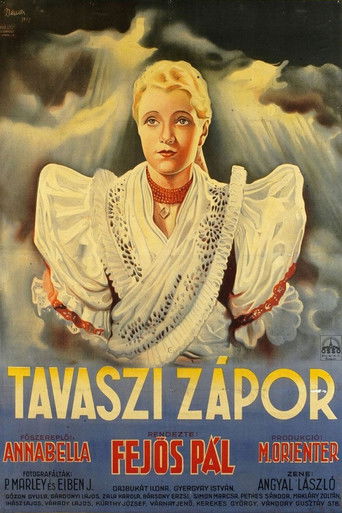
Tavaszi zápor
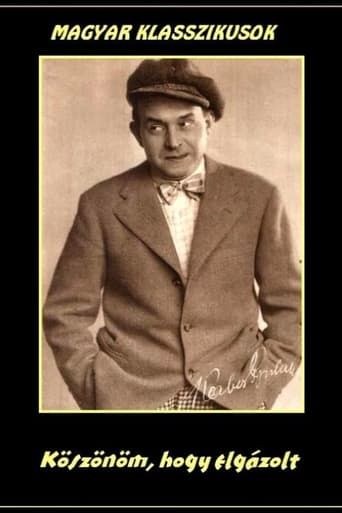
Köszönöm, hogy elgázolt
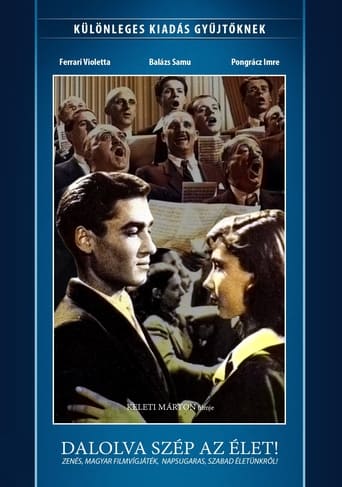
Dalolva szép az élet
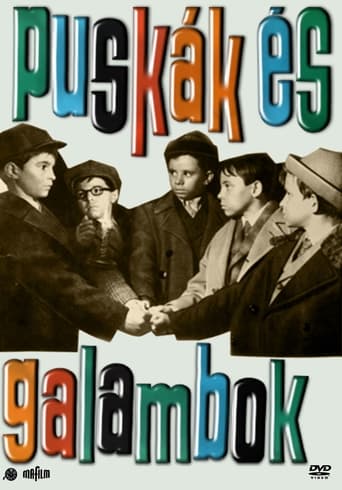
Puskák és galambok
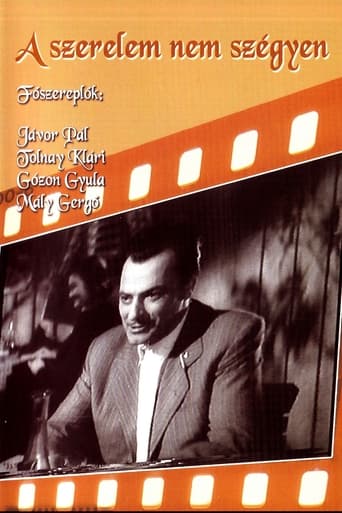
A szerelem nem szégyen
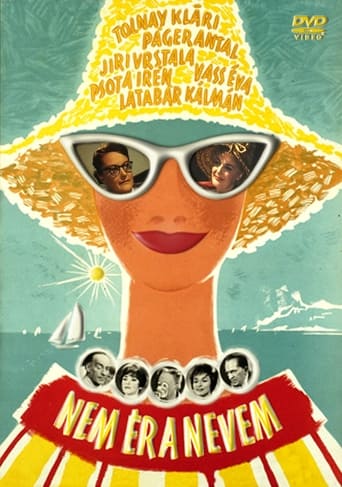
Nem ér a nevem
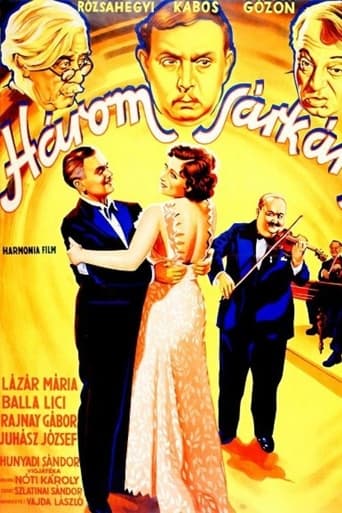
Három sárkány
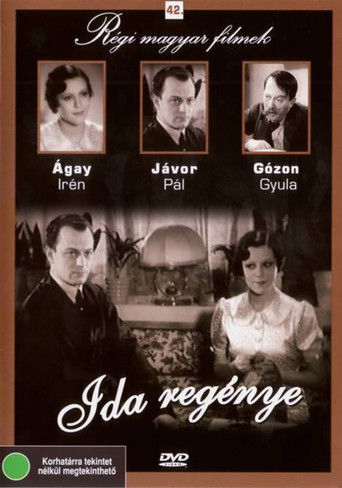
Ida regénye
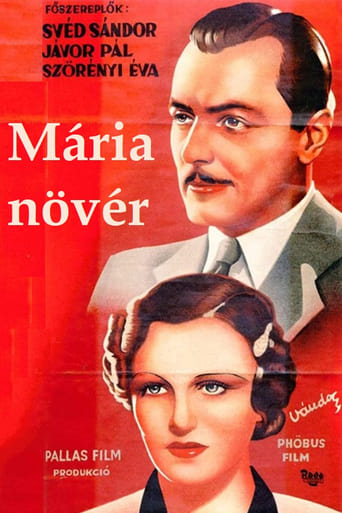
Mária növér
Új Gilgames
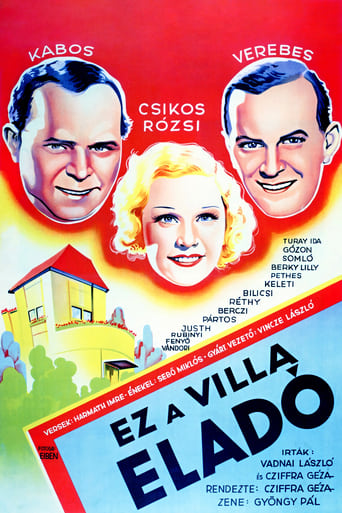
Ez a villa eladó
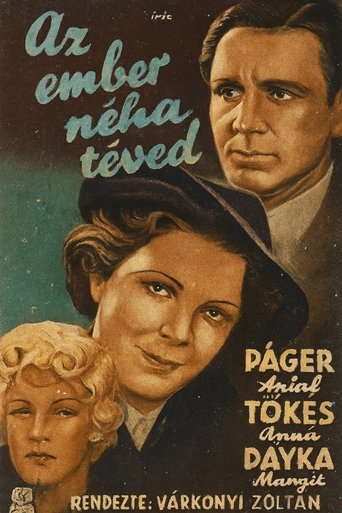
Az ember néha téved
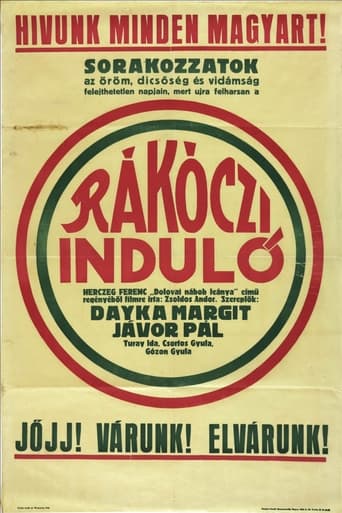
Rákóczi induló
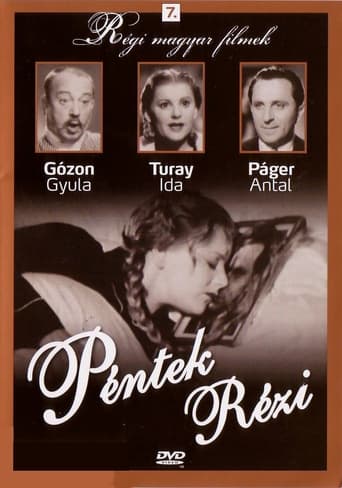
Péntek Rézi
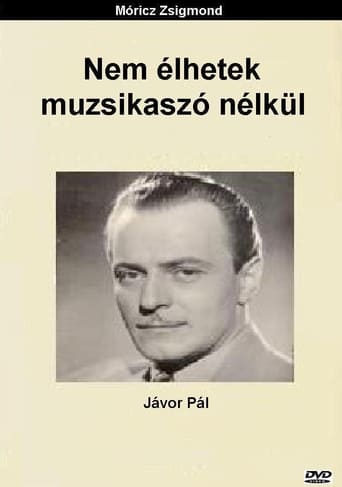
Nem élhetek muzsikaszó nélkül
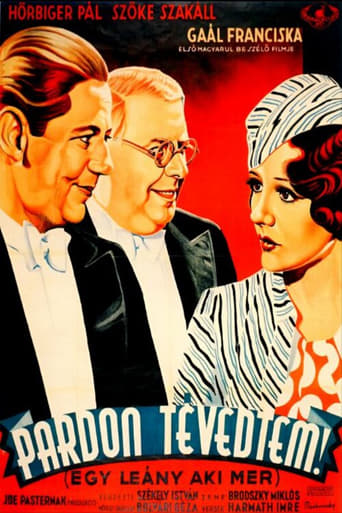
Pardon, tévedtem
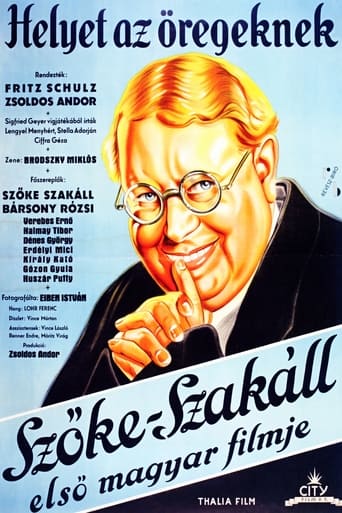
Helyet az öregeknek
Egy éj Velencében
Az iglói diákok
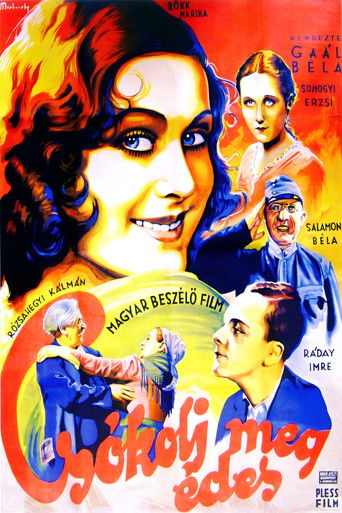
Csókolj meg, édes!
Aranyóra
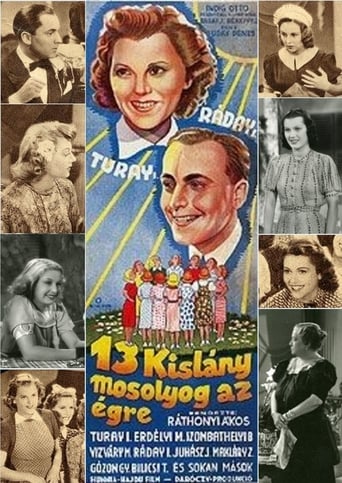
13 kislány mosolyog az égre
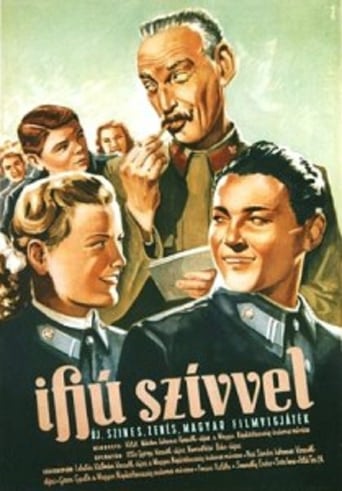
Ifjú szívvel
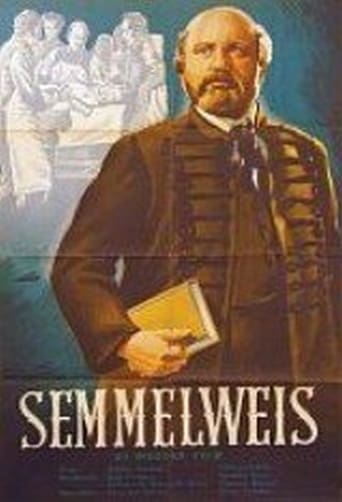
Semmelweis
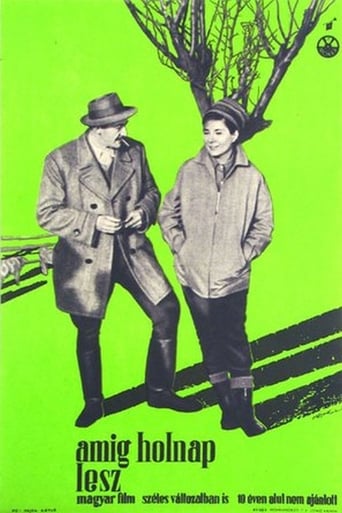
Amíg holnap lesz
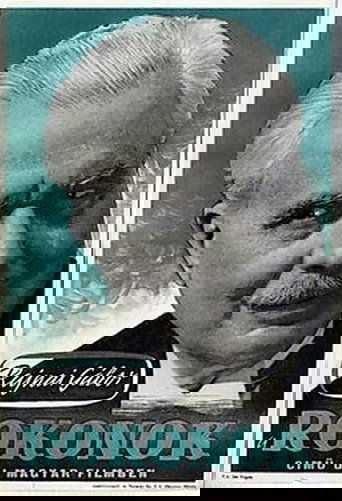
Rokonok
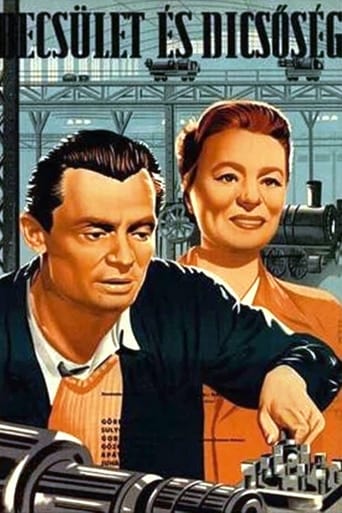
Becsület és dicsőség
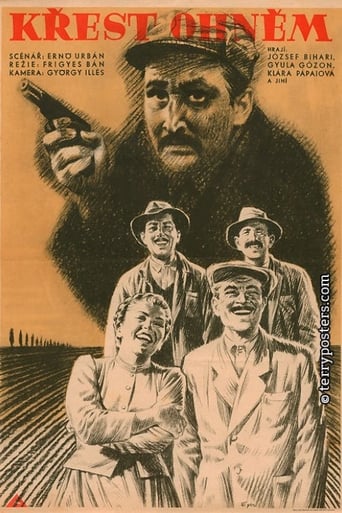
Tüzkeresztség
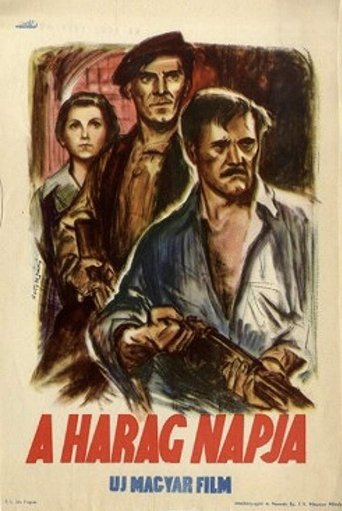
A harag napja
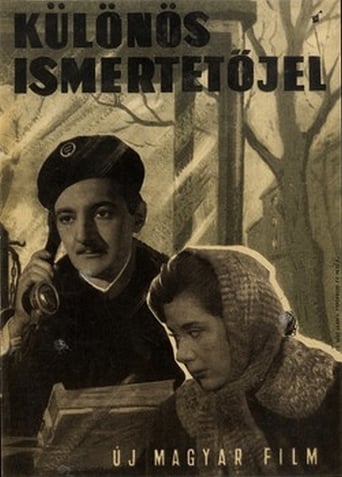
Különös ismertetőjel
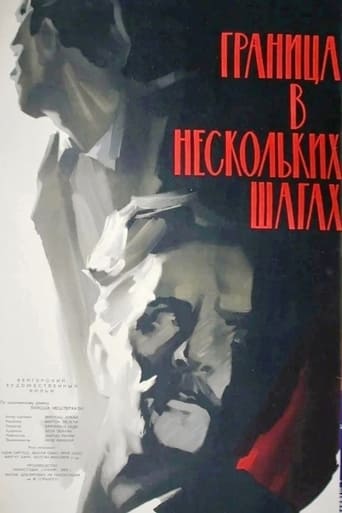
Pár lépés a határ
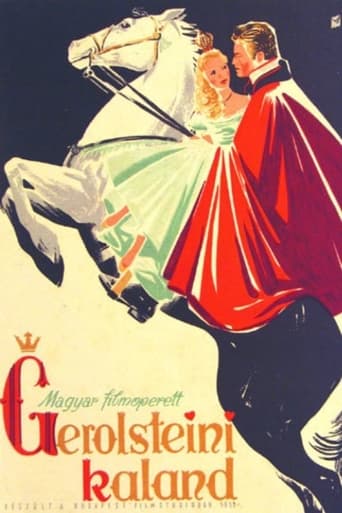
Gerolsteini kaland
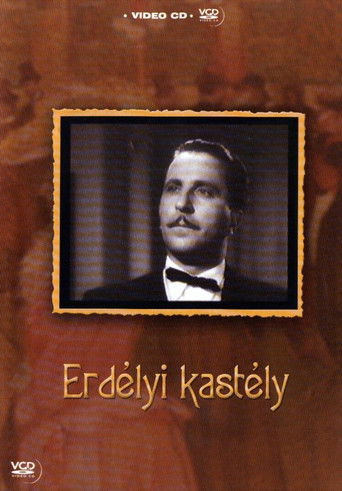
Erdélyi kastély
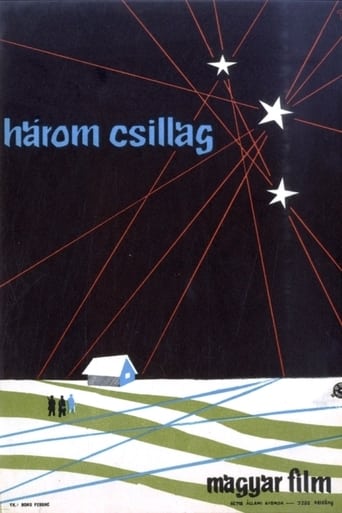
Három csillag